Field notes on the end of coordination work
The latest thinking on AI-native work, orchestration, and the execution OS — how AI stops being a chatbot and starts running the work.
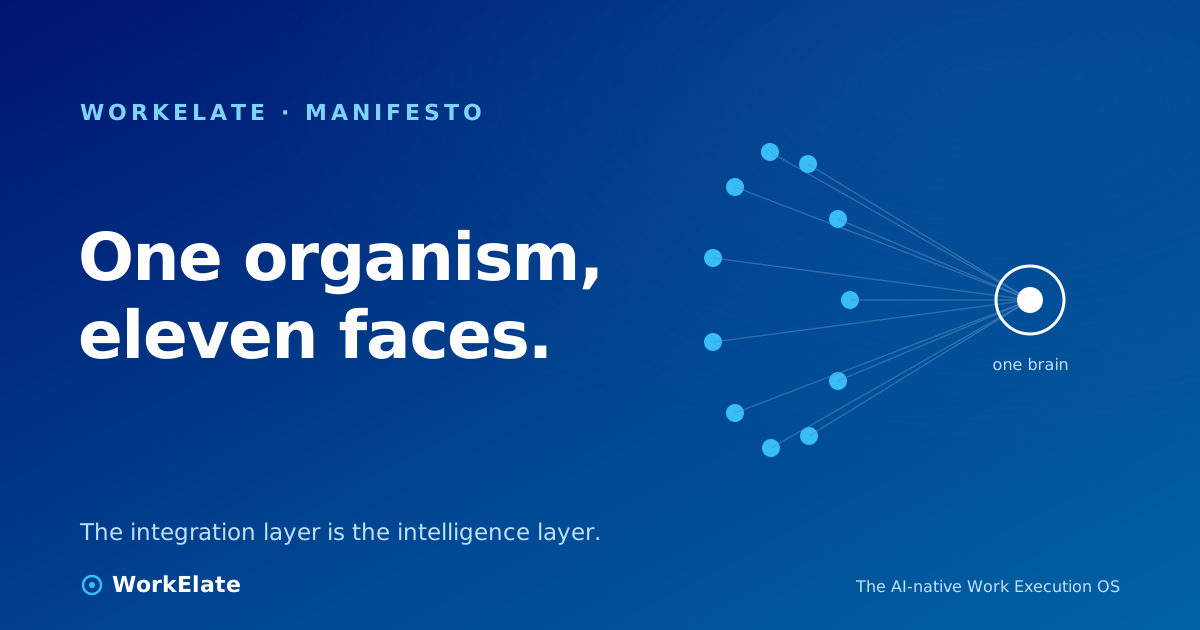
One Organism, Eleven Faces: A Concept Note for the Future of Work
Work isn't broken because you have too many tools. It's broken because they don't share a mind. The case for One Brain across all your work.
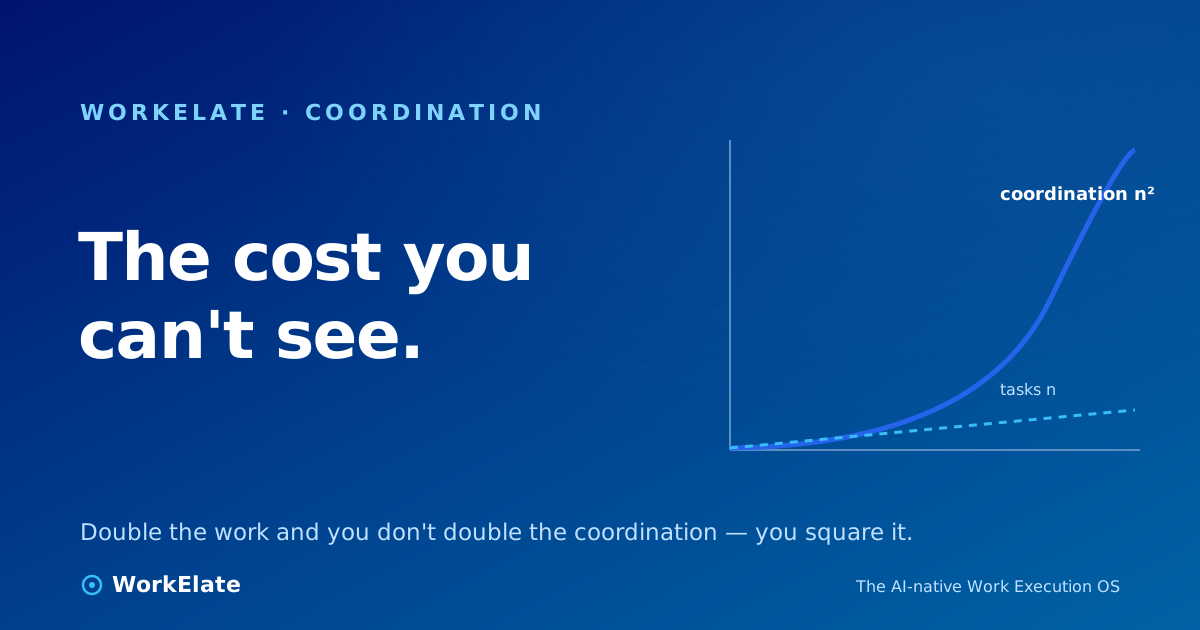
The Real Cost of a Task Is the Coordination It Creates
Task tools count tasks. They never count the coordination each one spawns — and coordination doesn't add up, it squares. That's the bill that drowns you.
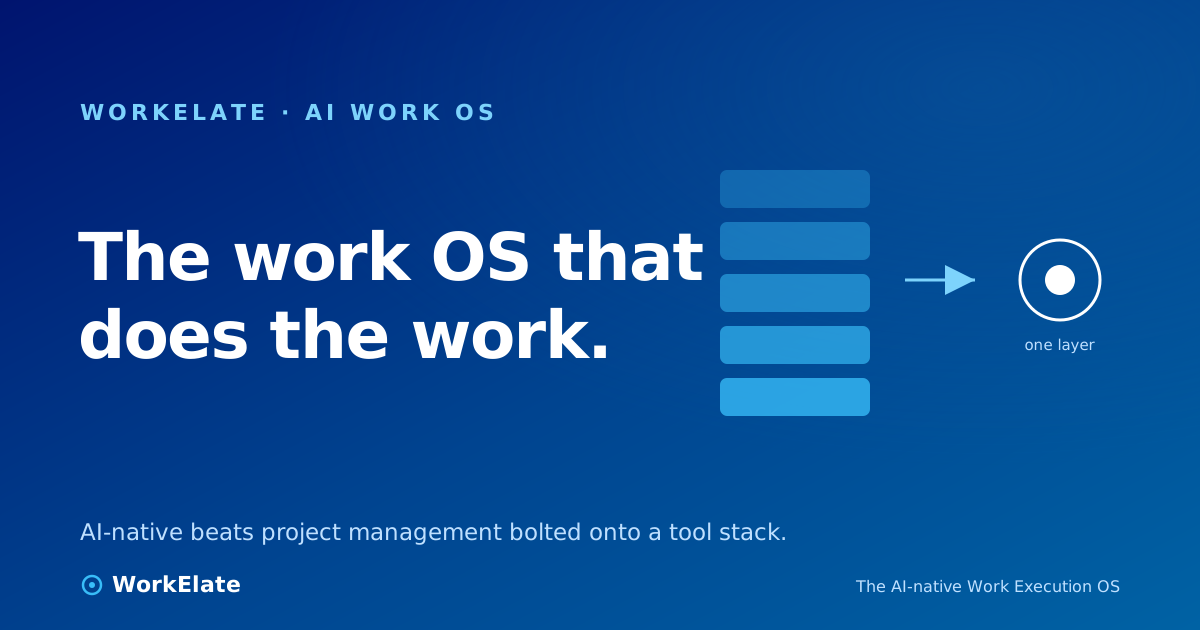
AI Work OS: Why It's Replacing Project Management
An AI Work OS reads your whole work-graph across every app and acts on confirmation — the shift past project tools that only count tasks. A buyer's guide.
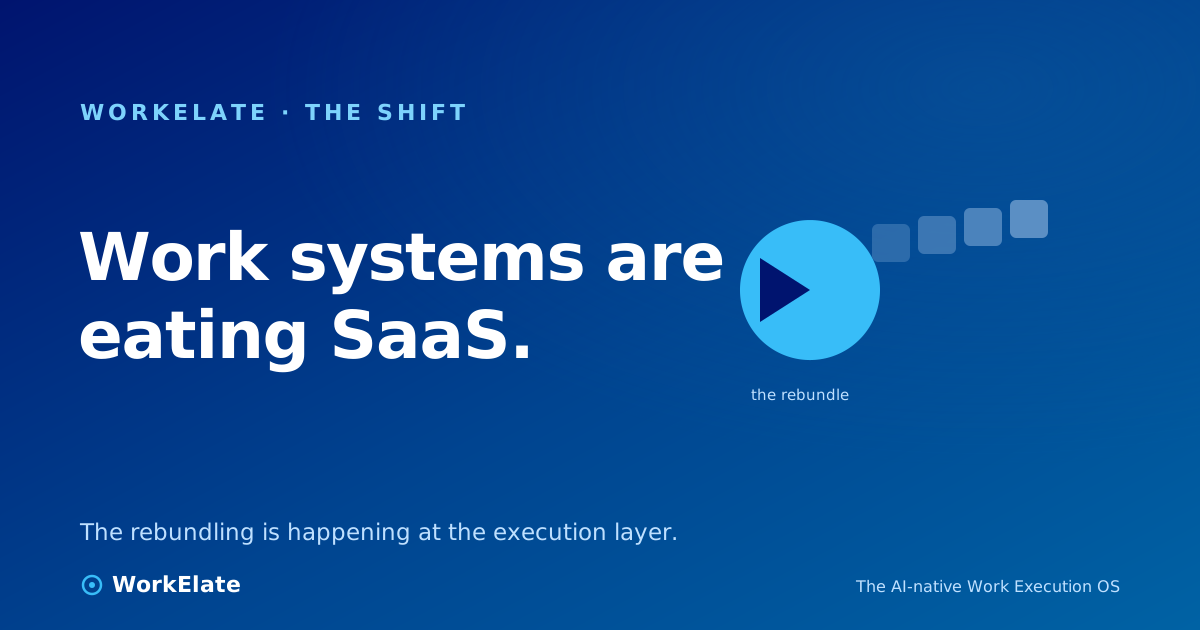
Work Systems Are Eating SaaS
Software ate the world. Now work systems are eating SaaS. The unbundling era is ending — and the rebundling is happening around execution, not features.
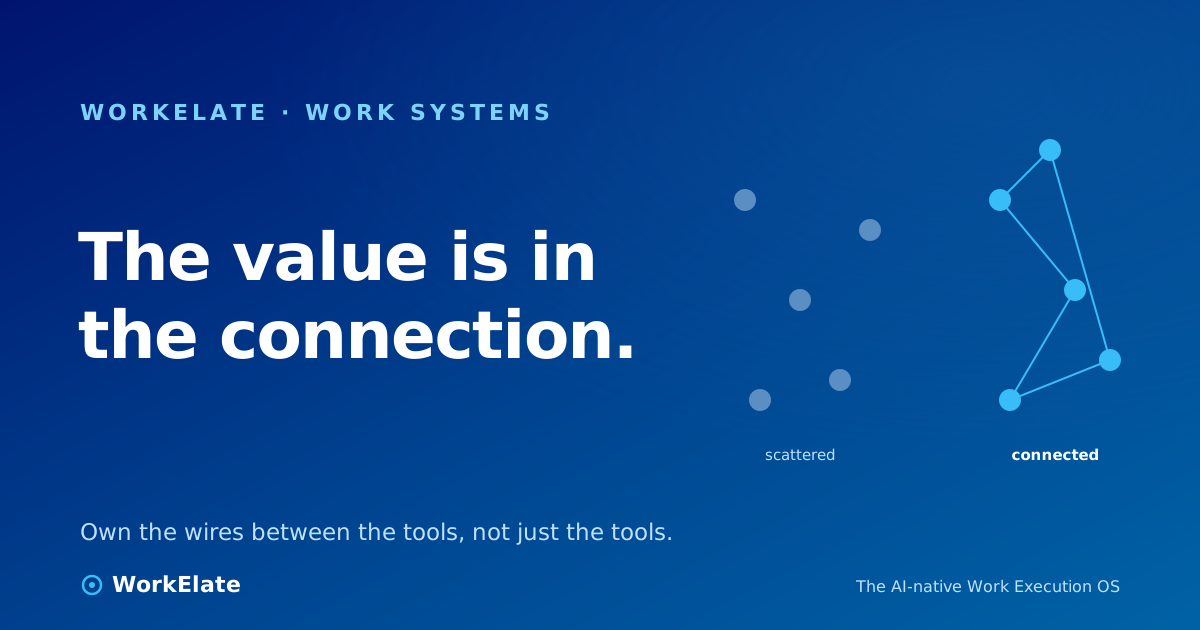
All-in-One Work Platform vs. Best-of-Breed: Who Owns the Connection?
All-in-one work platform vs. best-of-breed stack: the value lives in the connection between tools — and in a stack, you are the integration layer.
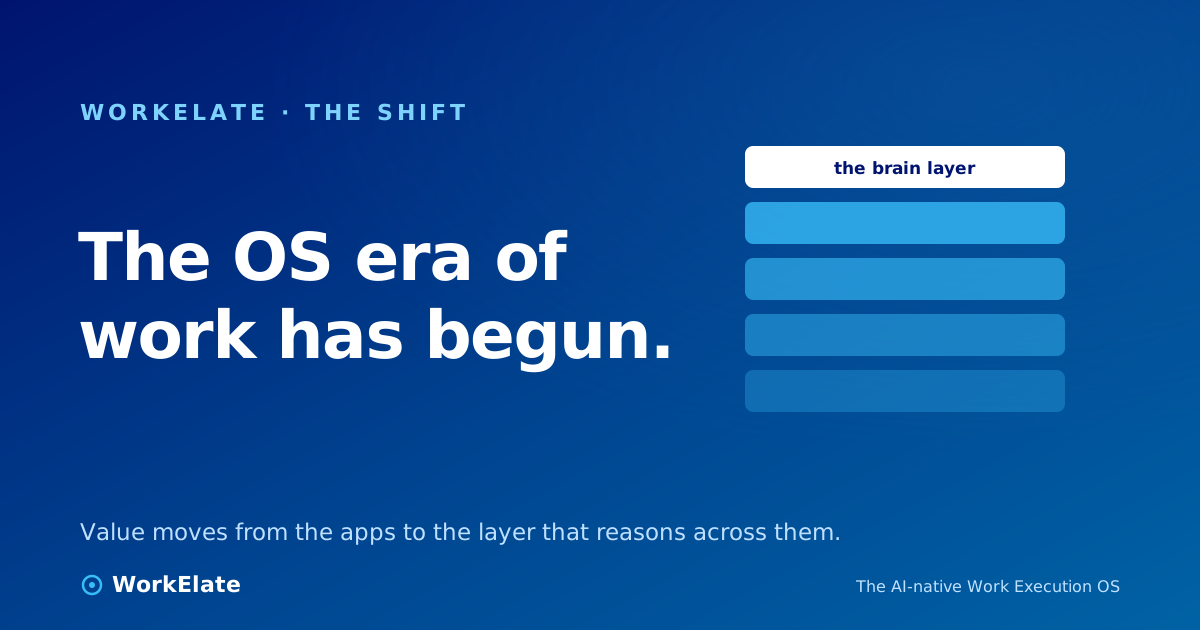
The Operating System Era of Work Has Begun
Work software is entering its OS era. The value is leaving individual apps and moving to the layer that reasons across all of them — the work-graph and one brain.
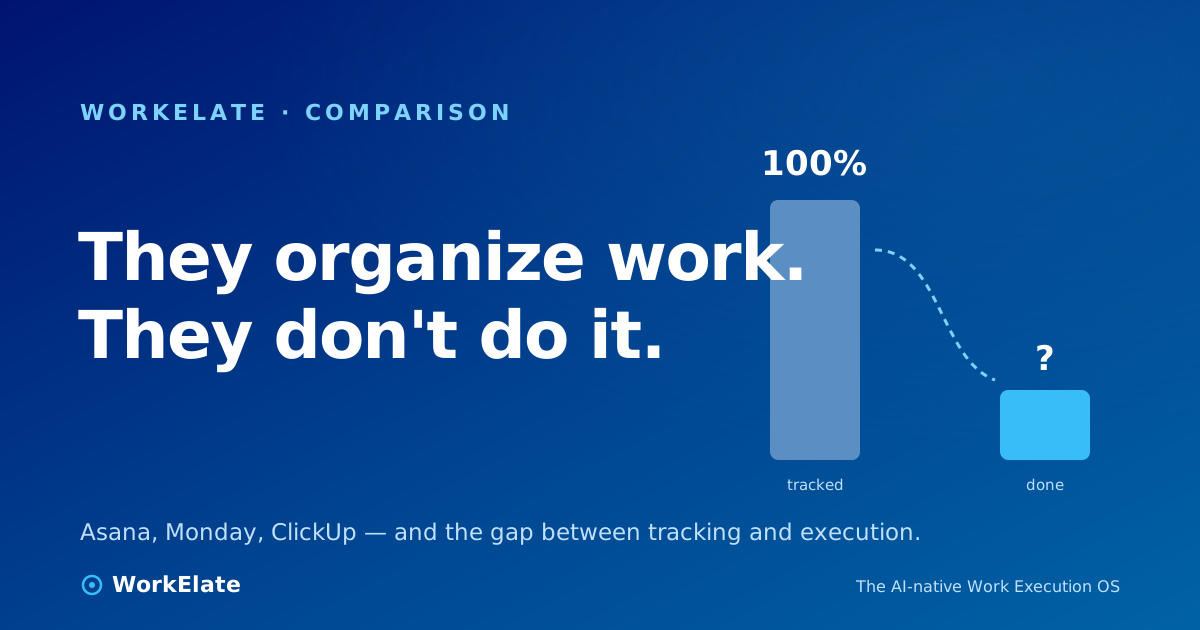
Asana, Monday, ClickUp: Why Project Tools Don't Deliver
Asana, Monday, and ClickUp organize your work beautifully. The structural reason they can't do it for you — and what changes when an AI can act on the work-graph.
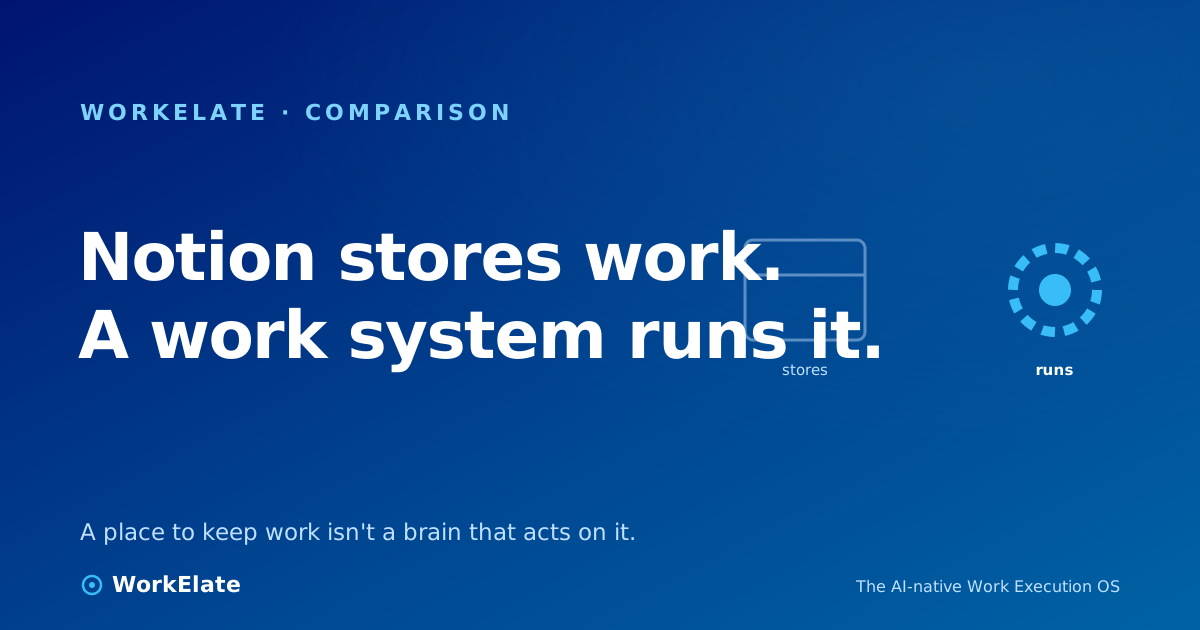
Notion Is a Knowledge Base, Not a Work System
Notion is a beautiful place to store work. A work system runs it. A fair look at where Notion's block and Notion AI end — and where execution begins.
Slack Is for Conversation, Not Coordination
Slack won by making chat a searchable system-of-record. But conversation isn't coordination — and status trapped in messages is the coordination tax.
Why AI Should Execute, Not Assist
AI that suggests, drafts, and summarizes is table stakes. The step-change is AI that completes cross-app work end-to-end — on your confirmation. Here's the evidence.
What Is Context Switching? The Real Cost and How to Reduce It
Context switching is the hidden tax on focus. Learn what it is, the ~23-minute refocus cost, why it happens, and how to actually reduce it at work.
High-Performance Teams Kill the Seams, Not the Tools
High-performance teams don't run fewer tools. They kill the seams between them — the coordination tax that eats your best people's day.
Why Most Small Marketing Teams Fail at Workflow Automation
Small marketing teams don't fail at automation tools. They fail at the seams between them — the lead handoffs and data sync no Zap covers.
7 Marketing Automation Platform Challenges Small Teams Struggle With
The 7 marketing automation challenges that quietly bury small teams — and a concrete, specific fix for each one. No fluff, no enterprise jargon.
Modern Work Management: A Practical Guide for 2025
A buyer-facing guide to modern work management — the definition, a 5-stage framework, and how teams cut the coordination tax that eats real productivity.
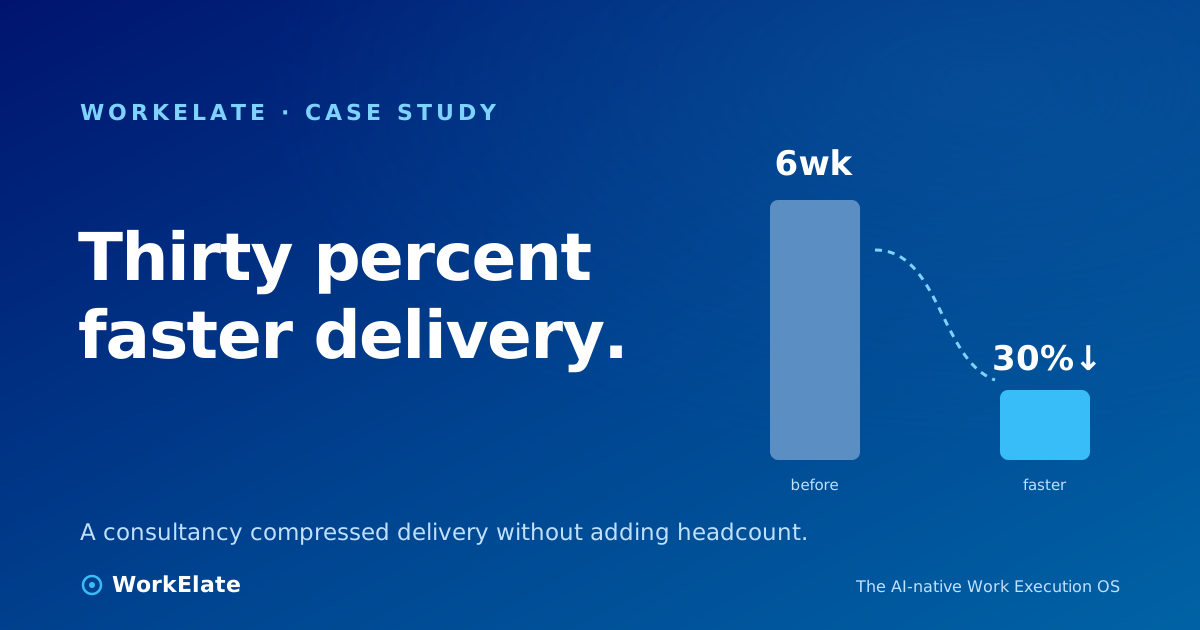
How Apex Strategy Cut Journey-Map Delivery From 6 Weeks to 4
A CX consultancy moved its journey-mapping work onto one AI brain across every app — and shipped maps 30% faster. The story, the numbers, the honest caveats.
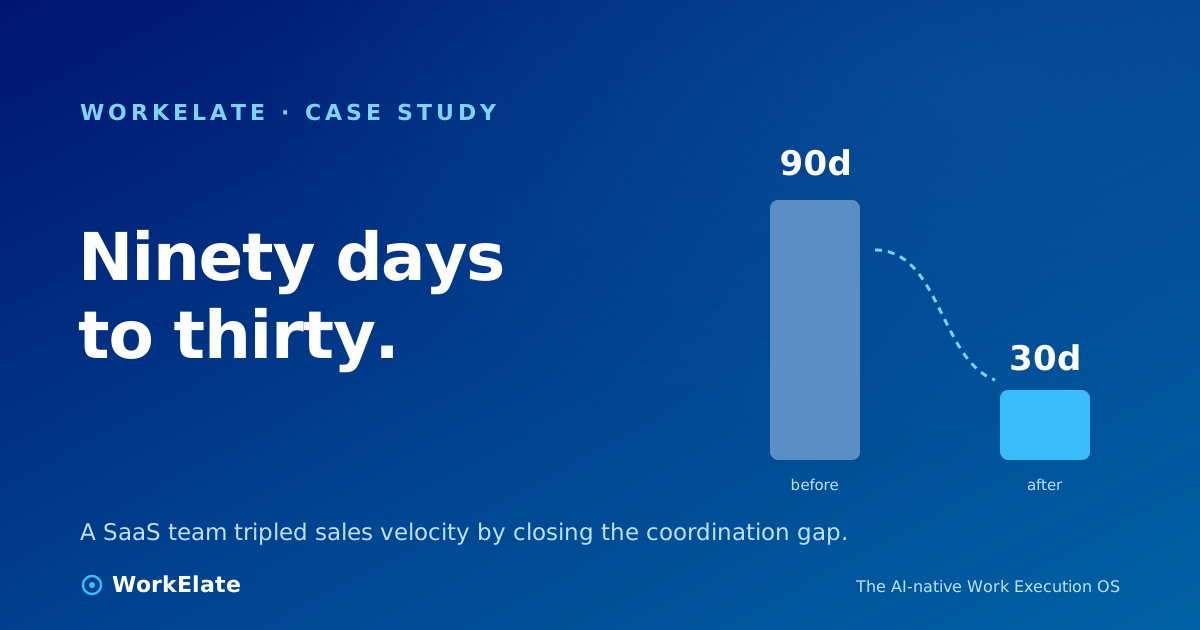
How TechFlow Cut Its Sales Cycle From 90 Days to 30
A B2B SaaS team closed the coordination gap between forms, CRM, and handoffs — and watched a 90-day sales cycle compress to 30. Here's the play.
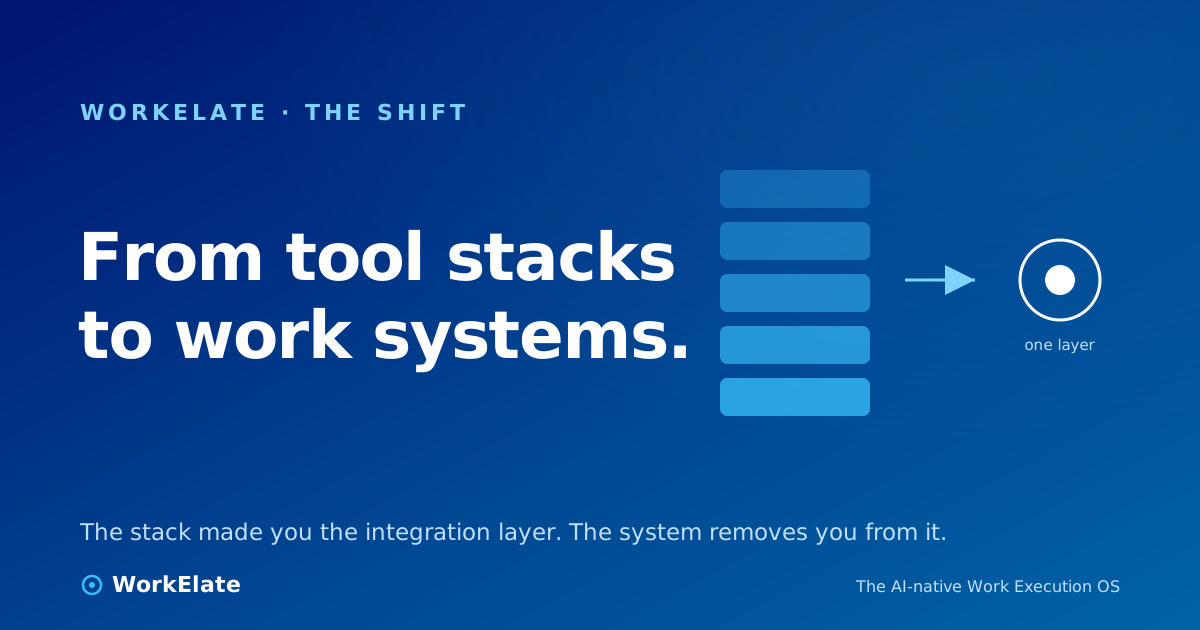
From Tool Stacks to Work Systems: Stop Being the Integration Layer
A tool stack quietly makes you the integration layer. A work system gives that job to a work-graph and one brain. Here's the difference that matters.
Work Should Feel Like Flow, Not Friction
Watch a good designer in the zone. The work pours out. Then a message lands: "Hey, is this the latest version? Can you re-share the brief? Did legal sign off?" The pouring stops.
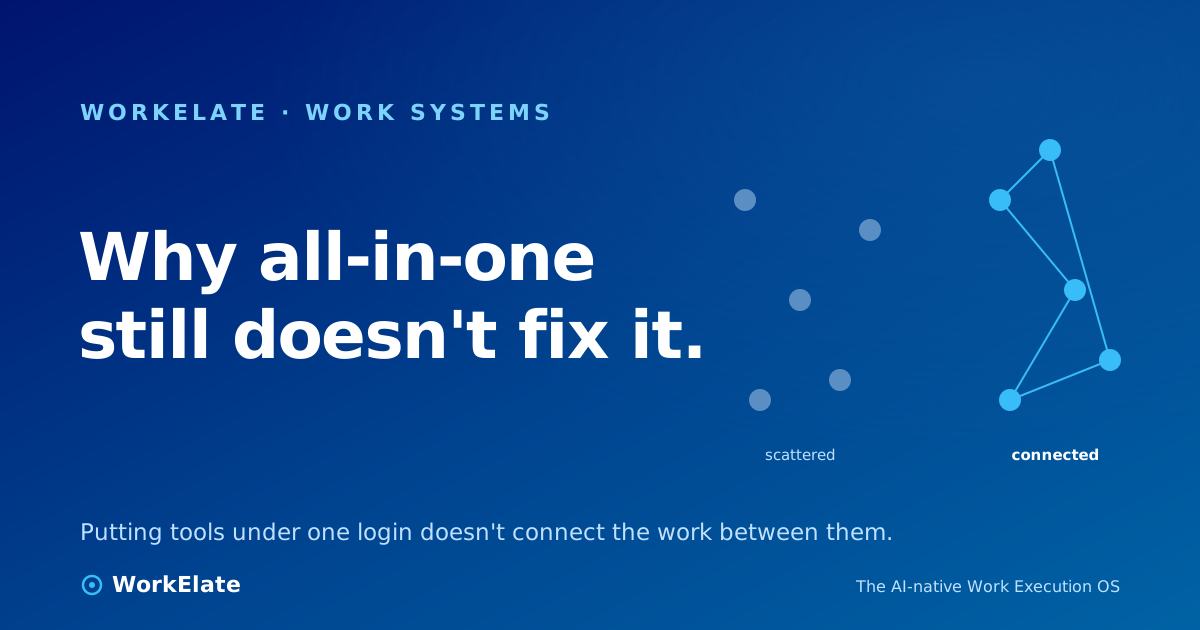
Why All-in-One Tools Still Don't Fix Work
You can move every tool your team uses behind a single login, and the work between them stays exactly as disconnected as it was the day before.
The End of Tool-Hopping as We Know It
Count the tabs open on your screen right now.
Your Workflow Doesn't Need More Features
A team I talked to had eleven custom fields on their main project board. Eleven. Someone, at some point, had argued for each one. "Owner." "Blocked-by." "Client tier." "Risk." "Last touched." And on a
Execution Isn't Optional. It's the Only Thing That Compounds.
A plan is the cheapest artifact in your company. You can produce a beautiful one in an afternoon — the deck, the roadmap, the tidy list of next steps with owners and dates. Everyone nods. The meeting
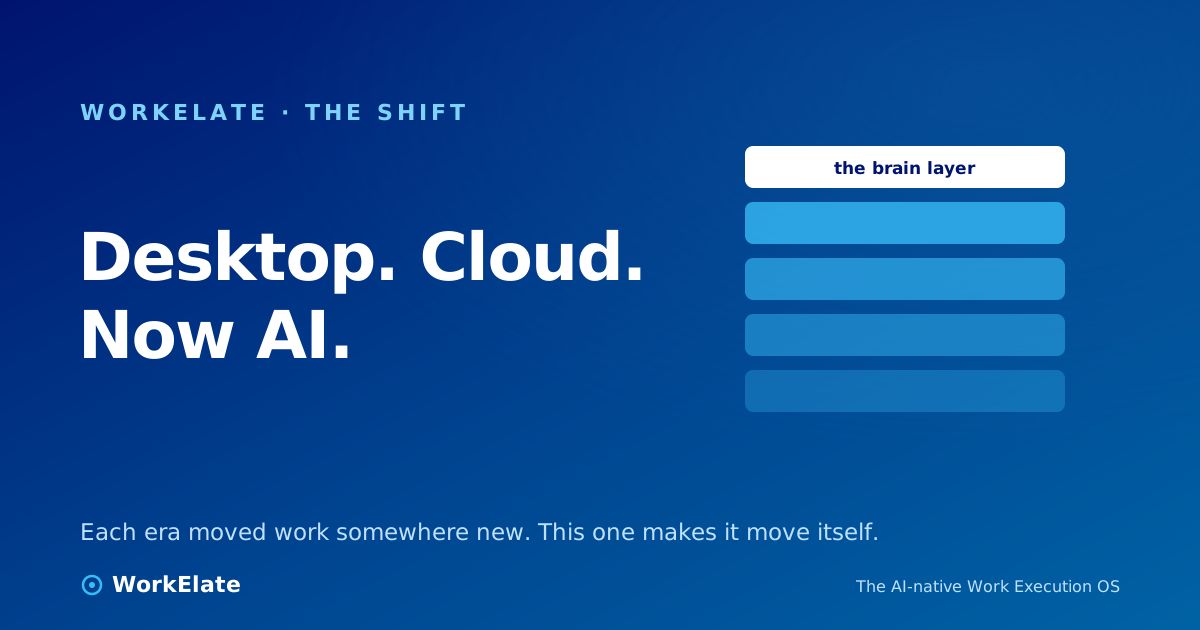
From Desktop to Cloud to AI: The Evolution of Productivity Suites
Productivity suites evolved desktop → cloud → AI. Each era moved work somewhere new. The AI era is the first where work moves itself — across the graph, by one brain.
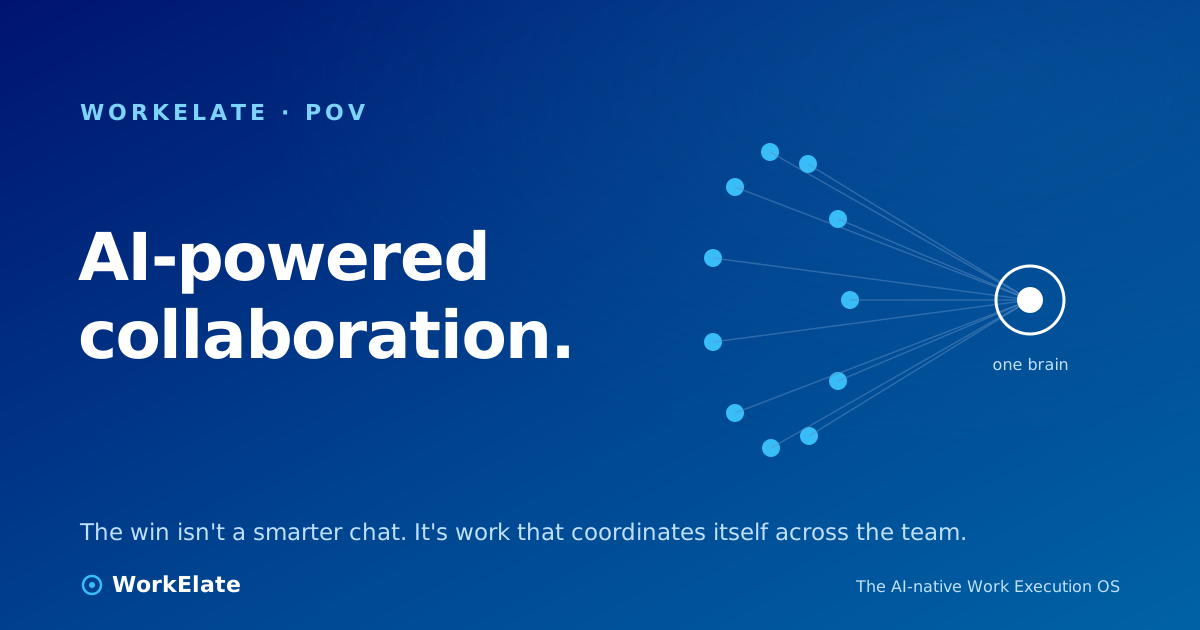
AI-Powered Team Collaboration Isn't a Smarter Chat — It's Work That Coordinates Itself
Real AI collaboration isn't a faster chatbox. It's work that coordinates itself across your team — so people stop being the integration layer.
From Productivity Hacks to Productive Work
Productivity hacks optimize the busywork. Productive work removes it. The real lever isn't a better to-do ritual — it's the work moving itself.
Why \"Getting Things Done\" Doesn't Get Things Done
David Allen's Getting Things Done did something genuinely useful: it got the work out of your head and onto a trusted surface. Capture everything. Clarify what it means. Organize by context. Review we
Task Capture Doesn't Scale. Execution Flow Does.
There is a quiet lie at the center of how most of us were taught to work: write it down and you'll get it done. Capture the thought, clear the head, trust the list. From the paper inbox to the quick-a
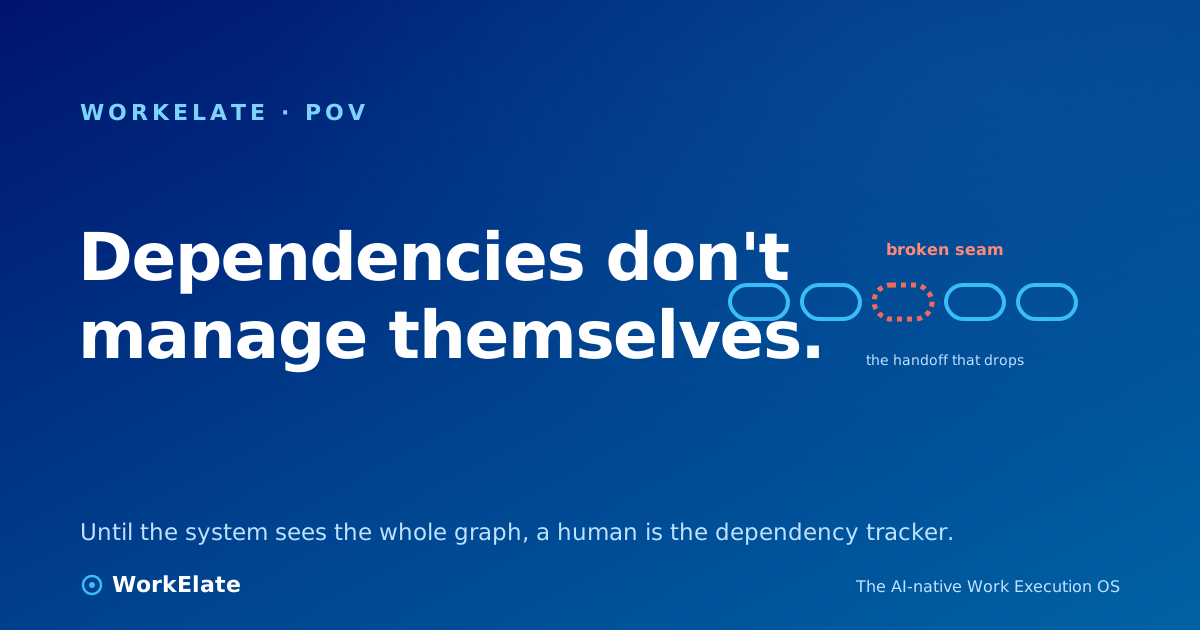
Dependencies Don't Manage Themselves — A Human Is Doing It
There's a person on your team who isn't on the org chart. They don't have a title for it. But every morning they open four tools, scan for what finished overnight, figure out who's now unblocked, and
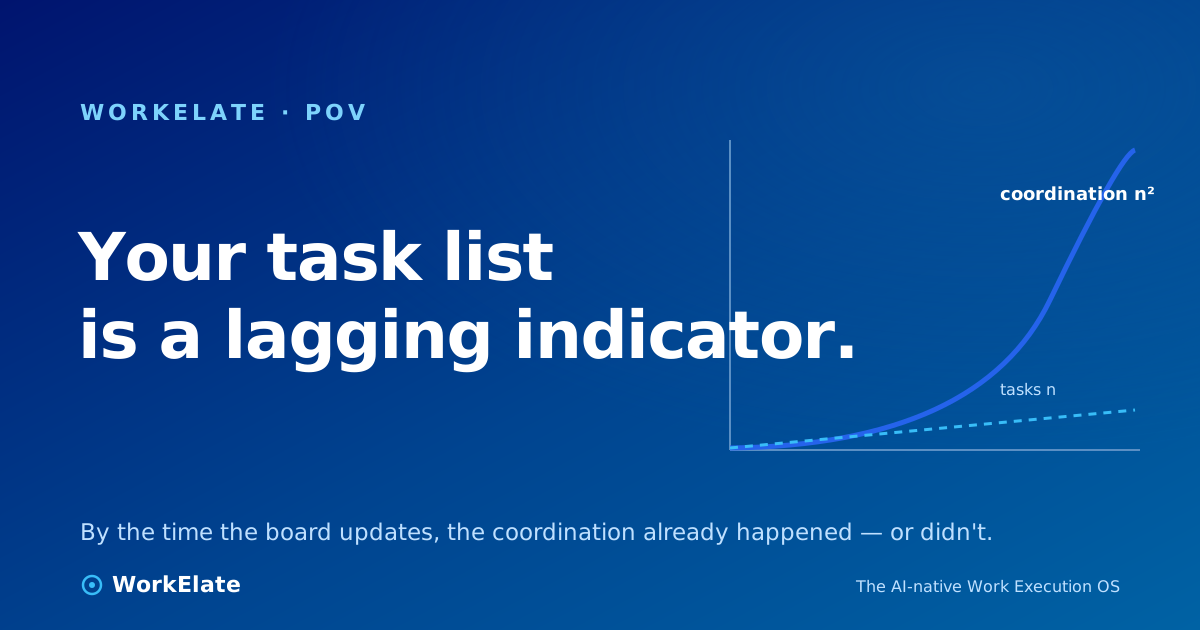
Your Task List Is a Lagging Indicator
The board always lies.
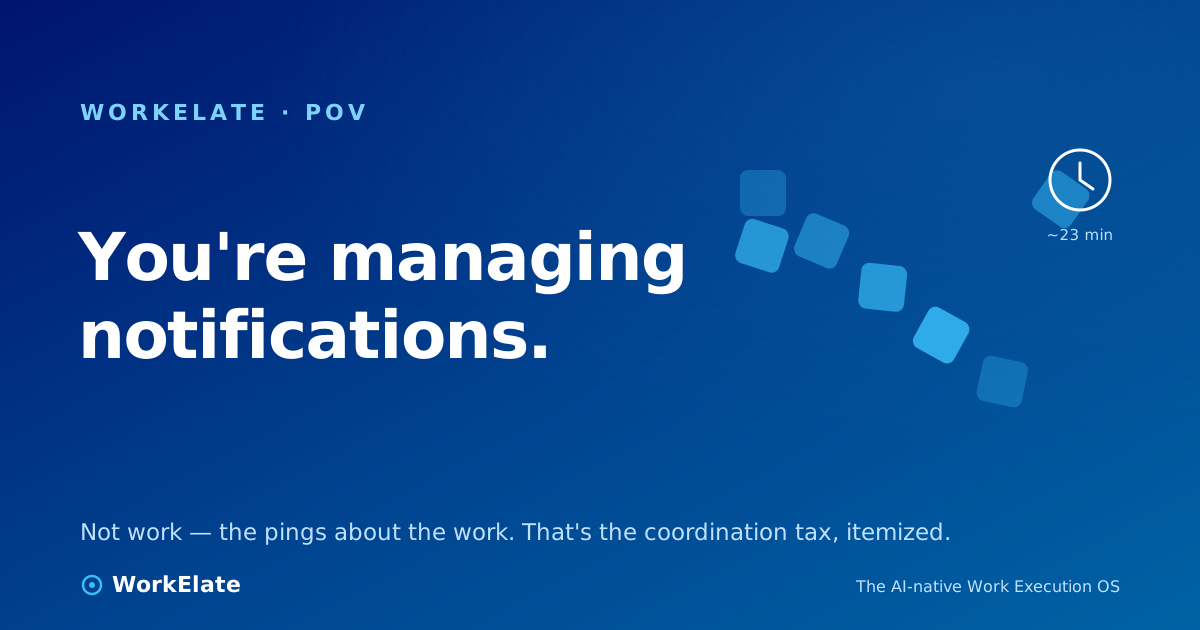
You're Not Managing Work. You're Managing the Pings About the Work.
Most of your day isn't spent managing work — it's spent triaging notifications about work. That's the coordination tax, itemized. Here's the fix.
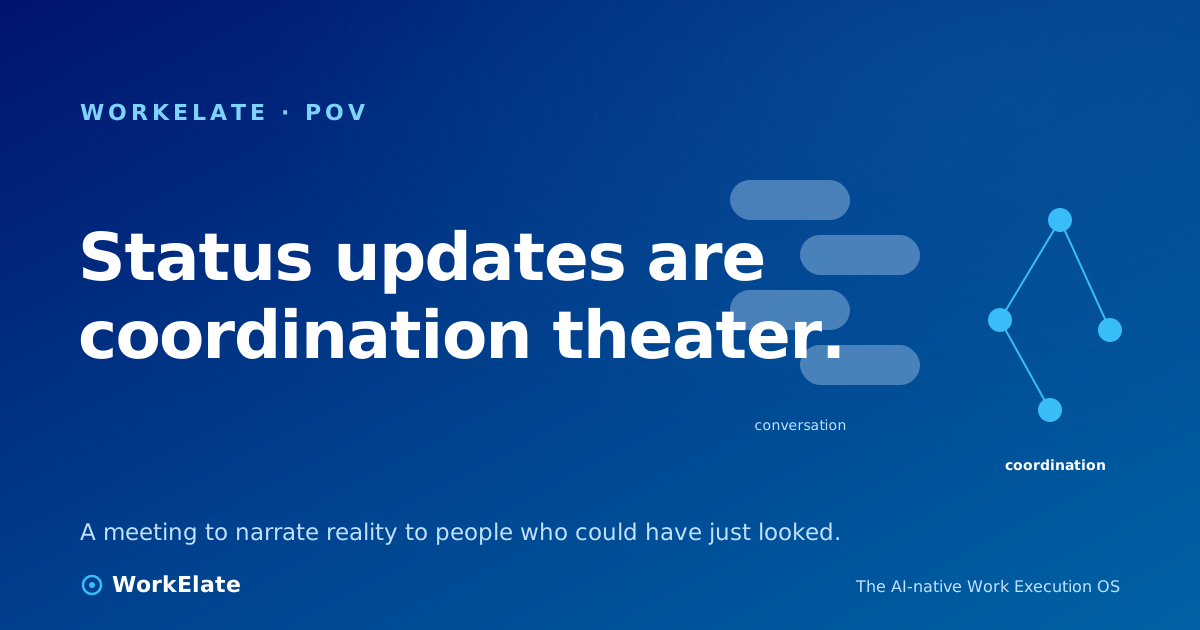
Manual Status Updates Are Coordination Theater
Status updates are theater — narrating reality to people who could have just looked, if the system actually knew the state. Status should be something the system knows, not something humans produce.
Context Loss Is Execution Debt
Every handoff where context is lost charges interest in re-explanation and rework. Work that carries its own memory stops the bleed.
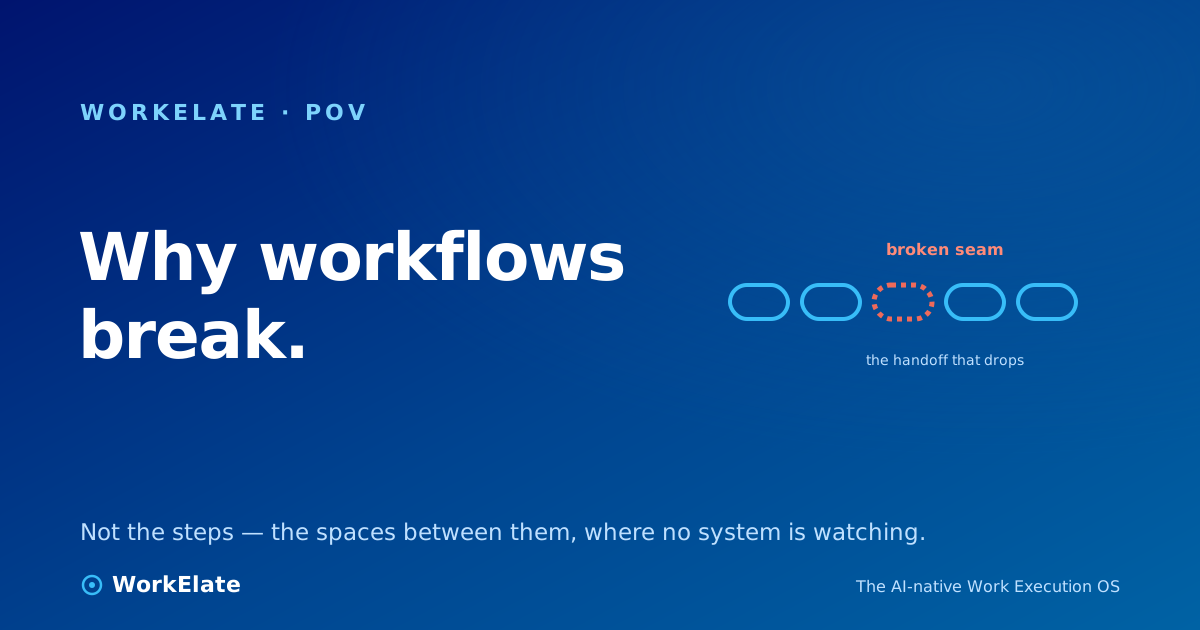
Why Workflows Break: The Real Reason Teams Fail to Execute
Pull up the post-mortem on any project that shipped late, and read what people actually wrote. You will not find "we couldn't do the design work." You won't find "nobody knew how to write the code" or
Why Modern Work Feels Busy but Goes Nowhere
Watch a busy team for one day and count the verbs. Checking. Pinging. Updating. Forwarding. Asking where something is. Confirming someone got the file. Nudging the person sitting on the approval. Re-e
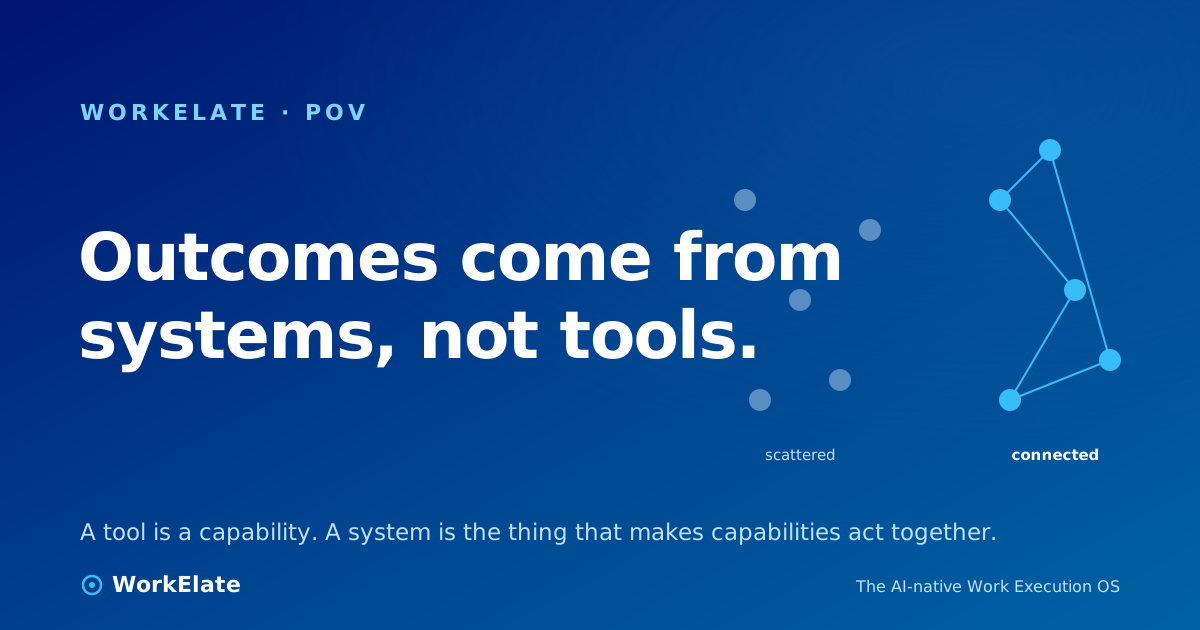
Outcomes Don't Come From Tools. They Come From Systems.
A tool is a capability. A system is what makes capabilities act together. Outcomes come from the work-graph and one brain coordinating your tools — not from buying another tool.
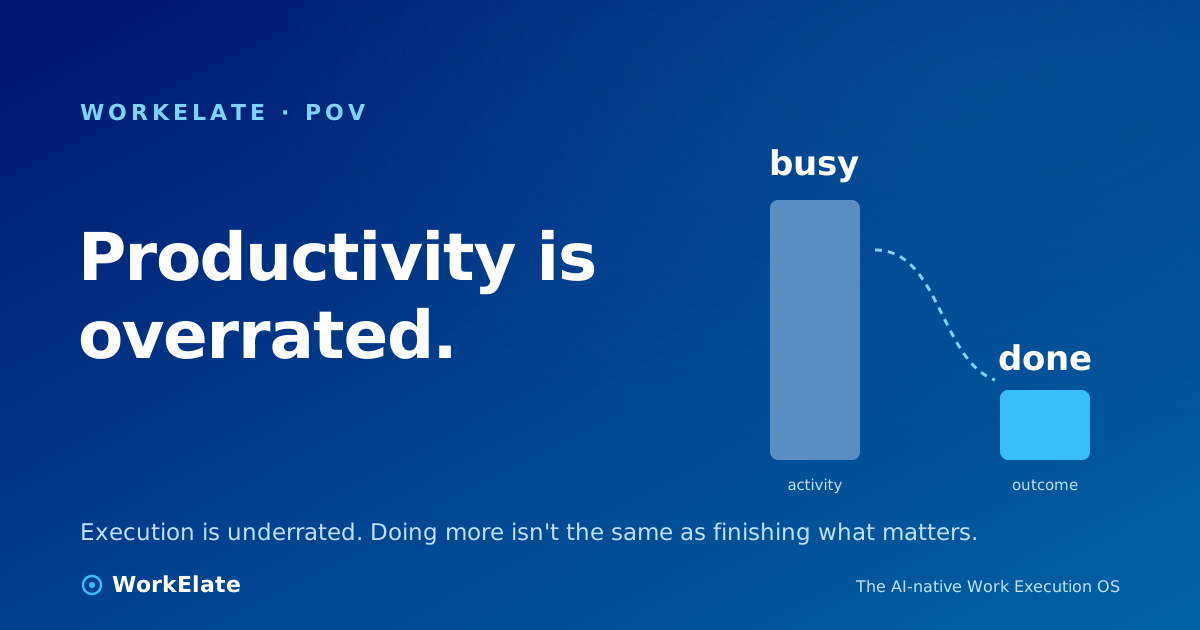
Productivity Is Overrated. Execution Is Underrated.
Picture the most productive person on your team. They cleared the inbox by 9. They attended every meeting, closed forty tasks, and replied to everything within the hour. Their day looks immaculate.
Why Most Work Dies Between Intent and Action
Think about the last thing your team decided to do and didn't.
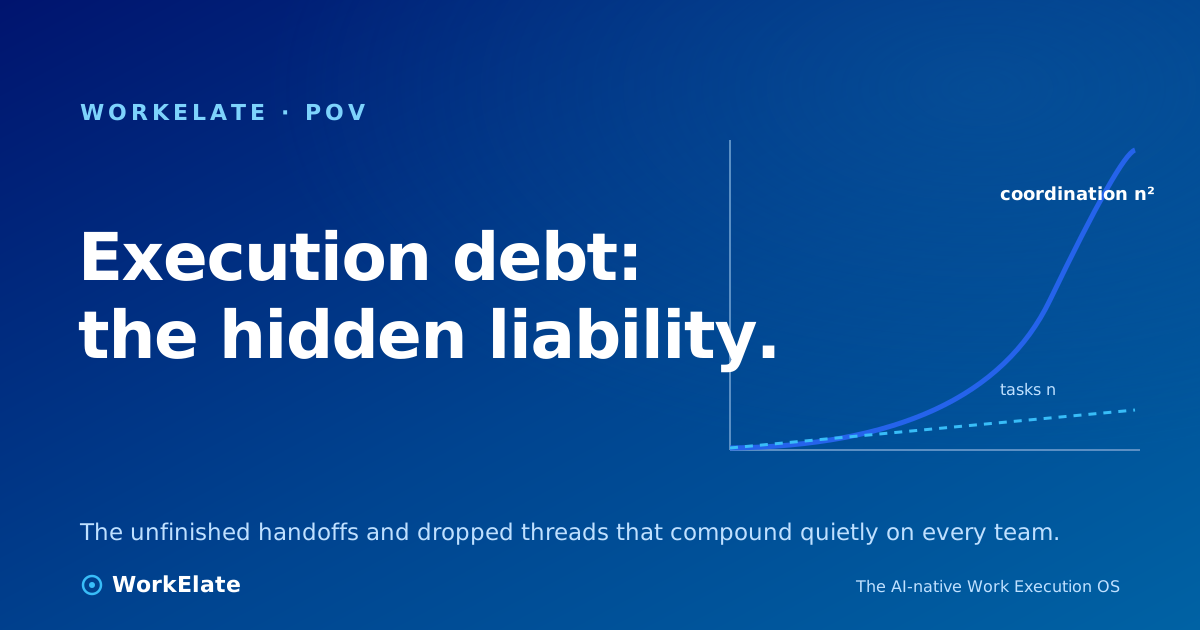
Execution Debt: The Hidden Liability on Every Company's Balance Sheet
Every engineer knows technical debt. You take a shortcut in the code, ship it, and the shortcut quietly charges interest for years — every future change has to route around it. The reason the metaphor
Planning Is Easy. Getting Things Done Is Hard.
Planning is the most pleasant work there is. You sit down, you think clearly, you arrange the future into a tidy column of next steps with owners and dates. Nothing breaks. Nobody pushes back from the
Tools Didn't Fail. The Gaps Between Them Did.
The era of buying one more tool is ending. Work systems — a shared work-graph plus one brain across every app — win not by having fewer tools, but by closing the gaps.
Why Work Doesn't Need Another Tool — It Needs to Move Between the Ones You Have
You don't need a 12th app. You need the work to move itself between the apps you already run — a shared work-graph and one brain that carries intent across surfaces.
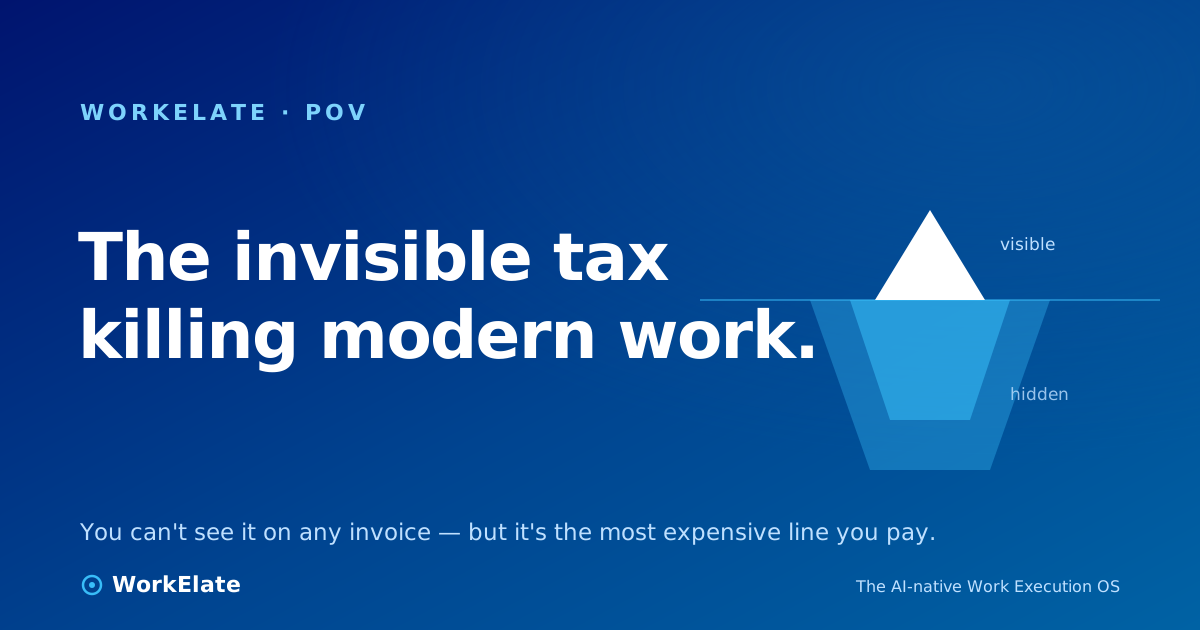
The Invisible Tax Killing Modern Work
Open your finance dashboard right now and try to find the single most expensive thing your team does. You'll see headcount. You'll see the SaaS bill, line by line, down to the $12-a-seat tool nobody u
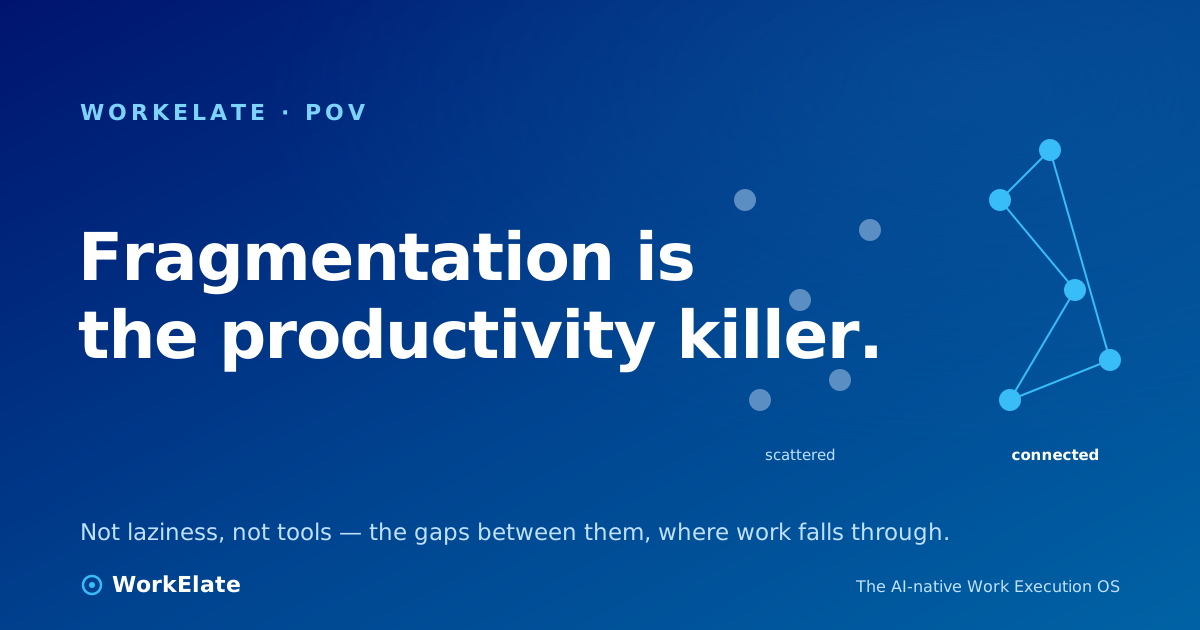
Fragmentation Is the Real Productivity Killer
The productivity killer isn't laziness or too many tools — it's the gaps between them where work falls through. The fix connects the work, not the apps.
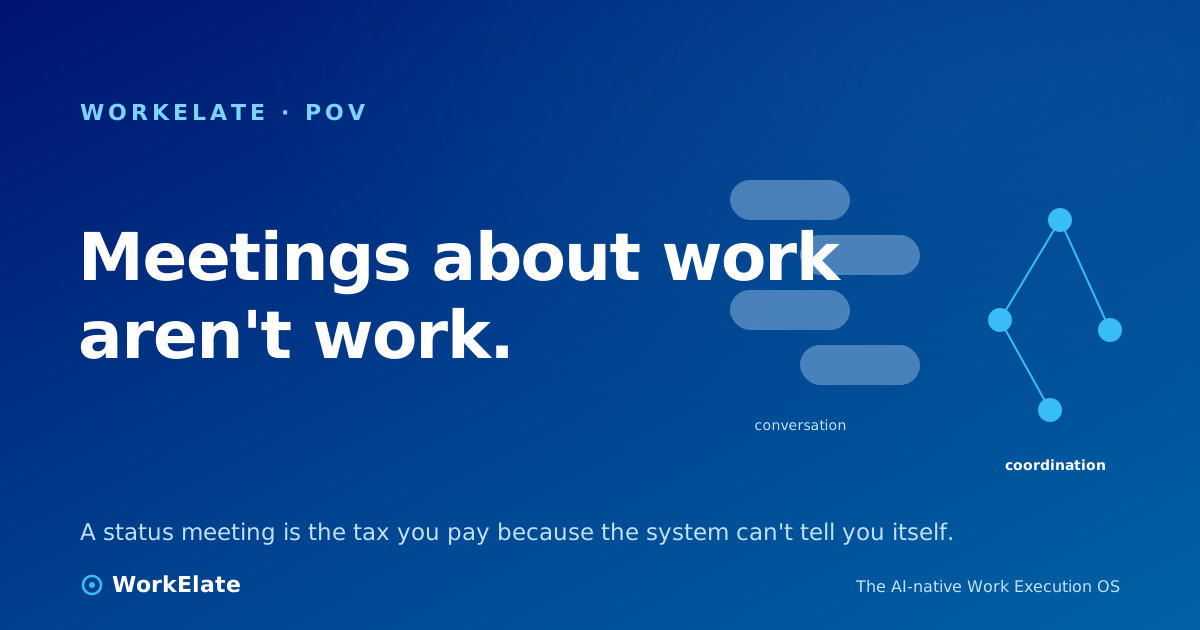
Meetings About Work Aren't Work
Look at the recurring blocks on your calendar this week. The Monday status sync. The Thursday check-in. The "quick alignment" that runs 45 minutes. Now ask one question about each of them: what would
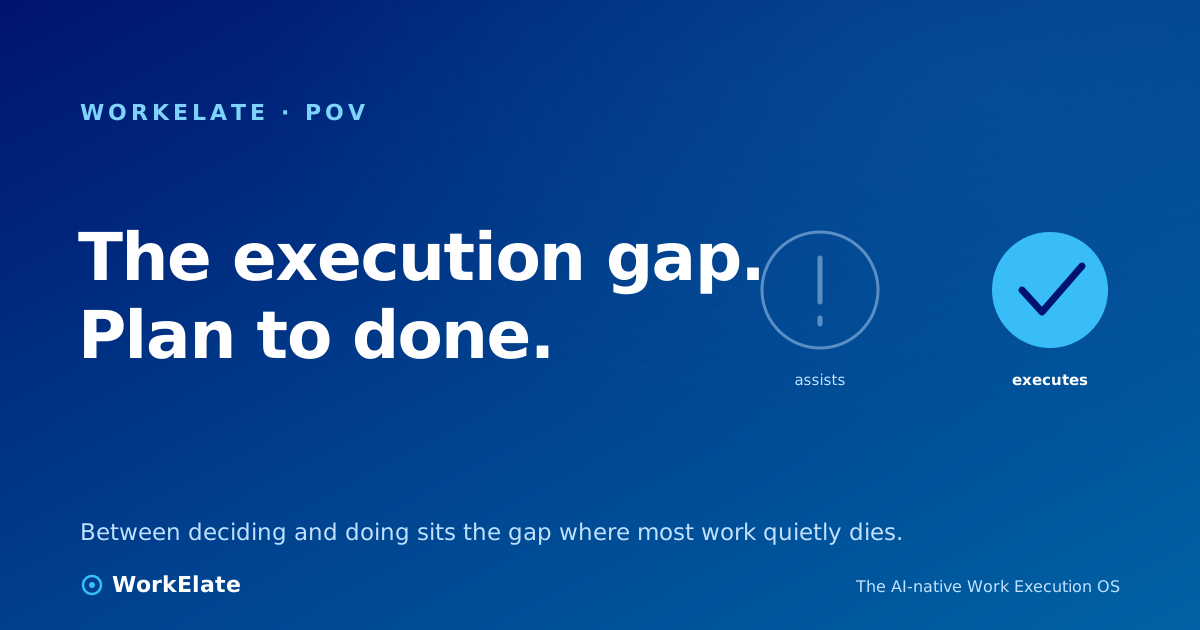
The Execution Gap: Between Planning and Doing
Between deciding and doing sits a gap where most work quietly dies. Naming it is half the fix. Closing it — AI that acts on your confirm — is the rest.
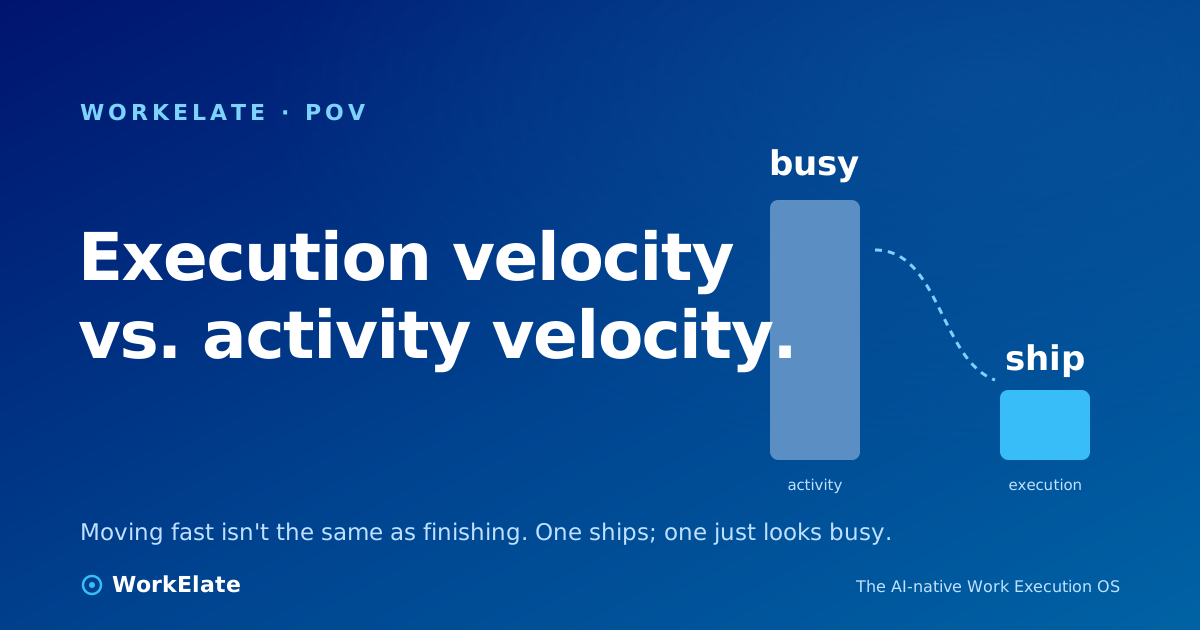
Execution Velocity vs. Activity Velocity
Moving fast and looking busy is activity velocity. Actually shipping is execution velocity. One produces motion. The other produces outcomes.
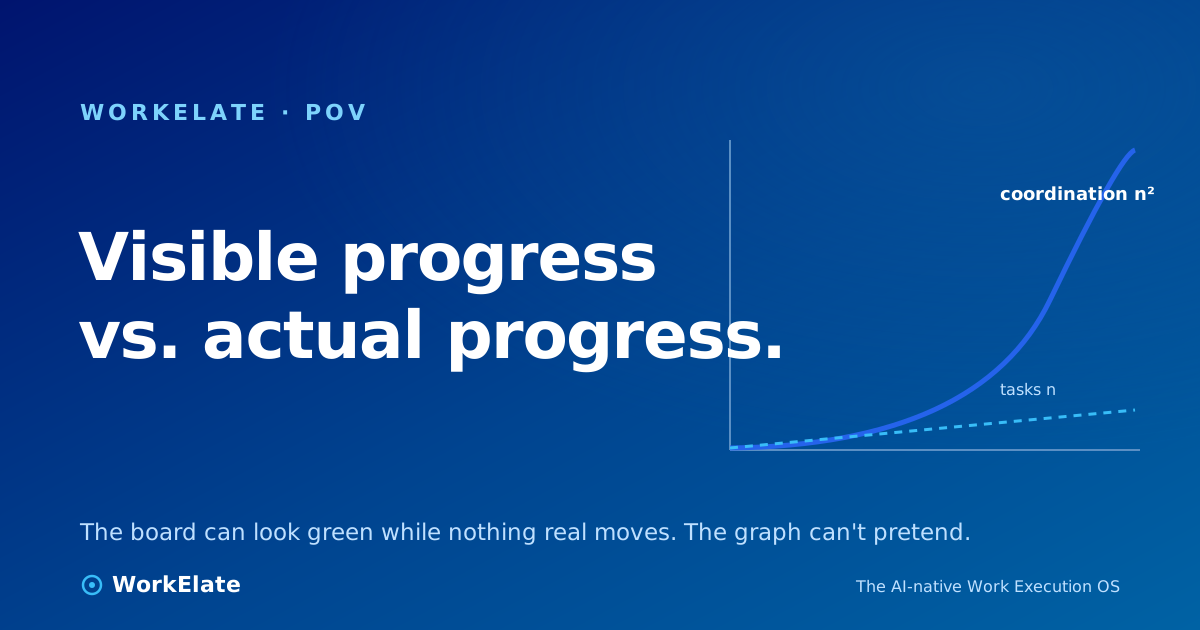
The Board Always Lies
A card moves from "In Progress" to "Done." It feels like progress. It isn't, necessarily. It's a claim — typed by a person who wanted to look like they were keeping up.
AI Doesn't Replace Your Work. It Replaces the Coordination Around It.
AI won't do your real work — it replaces the glue around it: status, handoffs, follow-ups. That's the least-loved part of the job, and the part worth automating.
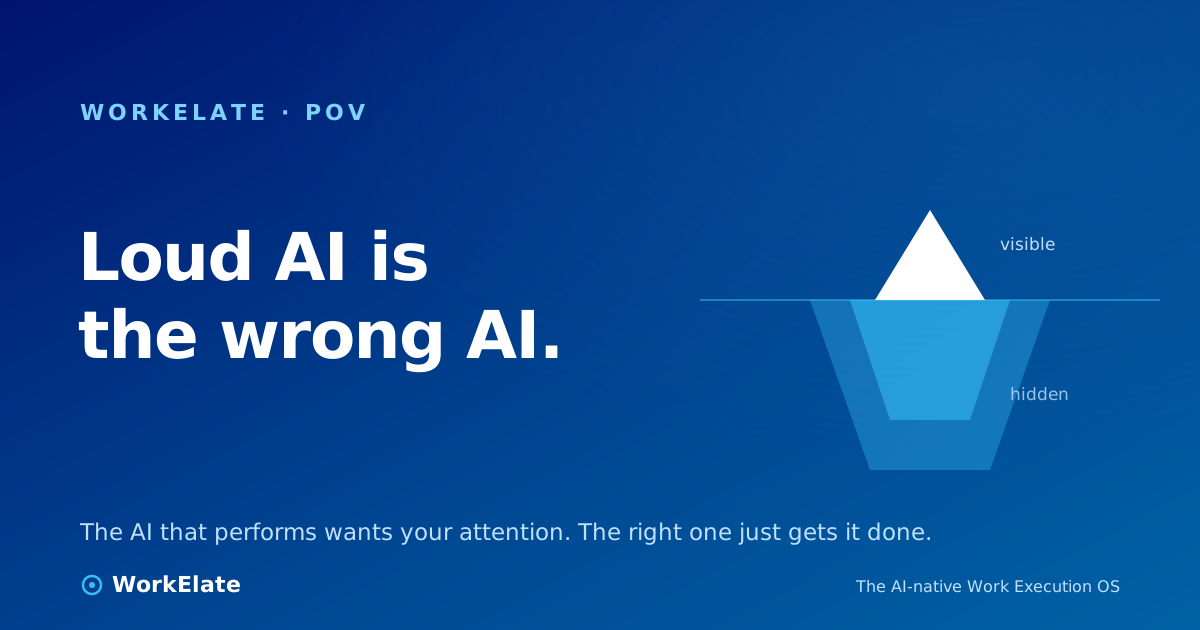
Loud AI Is the Wrong AI
Loud AI performs — it chats, demos, and wants your attention. The right AI is quiet: it gets the work done and surfaces only what actually needs you. Quiet is an outcome, not a vanishing interface.
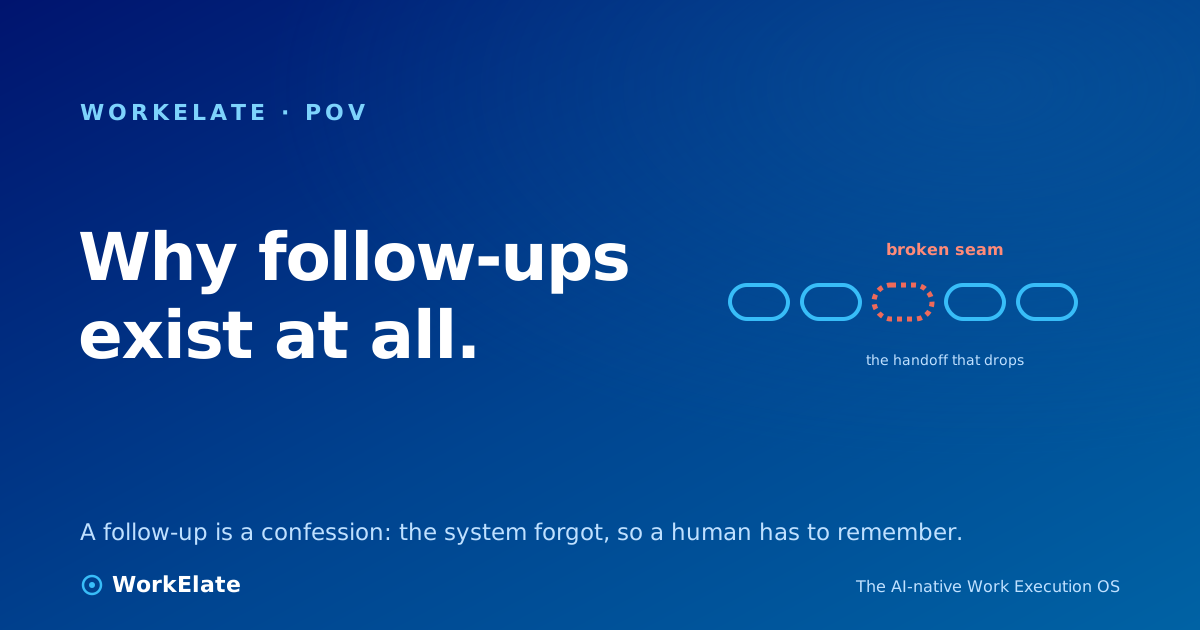
Why Follow-Ups Exist at All
"Just circling back on this."
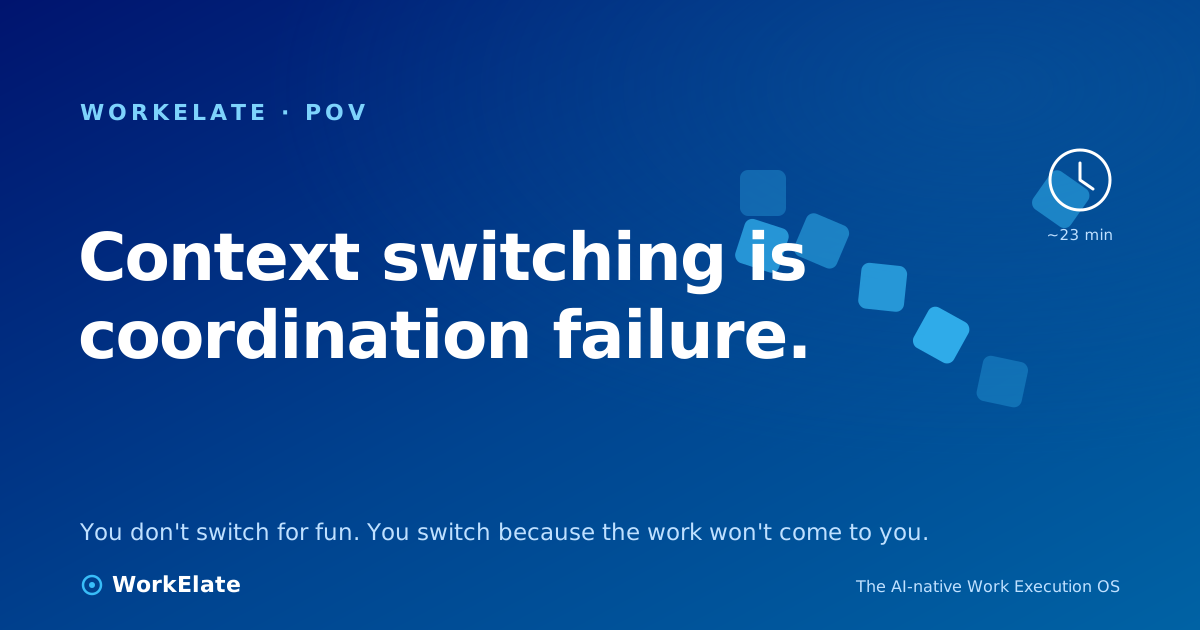
Context Switching Is Coordination Failure
You don't switch tasks for fun. You switch because the work won't come to you. Context switching is a symptom of broken coordination — not weak discipline.
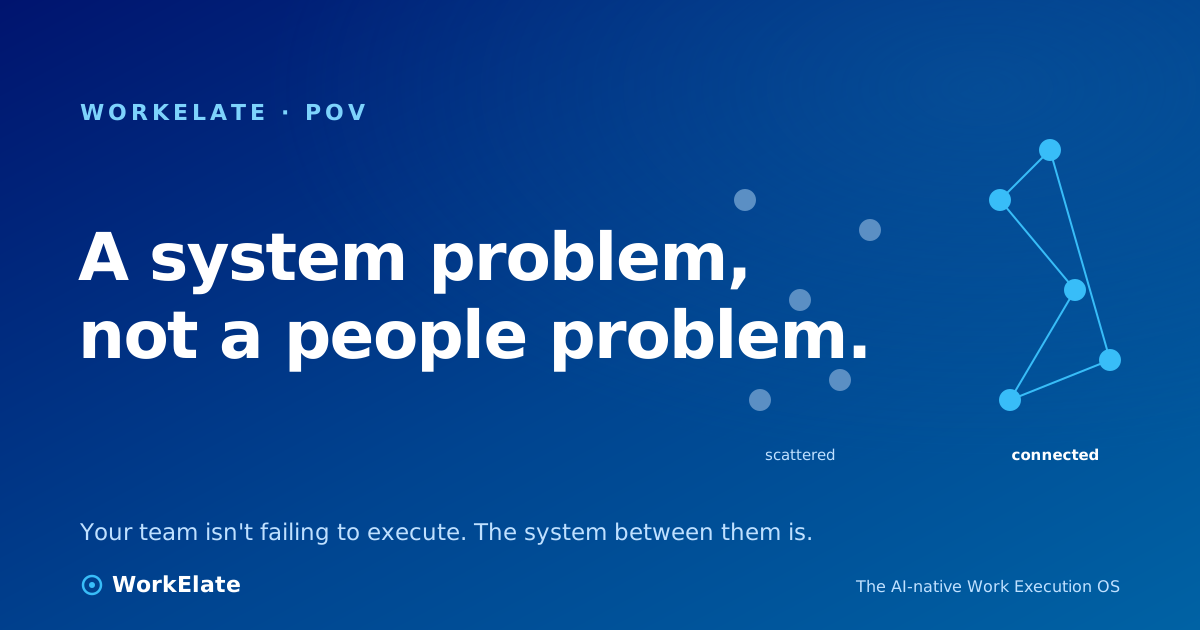
Why Execution Is a System Problem, Not a People Problem
When work slips, we blame discipline and accountability. But the thing that actually failed is the coordination layer between people — and you can't fix a system by lecturing the people inside it.
WorkElate: The Work OS Built to Get Work Done, Not Manage It
Most work software manages work. WorkElate moves it — one brain reading a cross-app work-graph, acting on confirmation. The difference between a tracker and a system that gets work done.
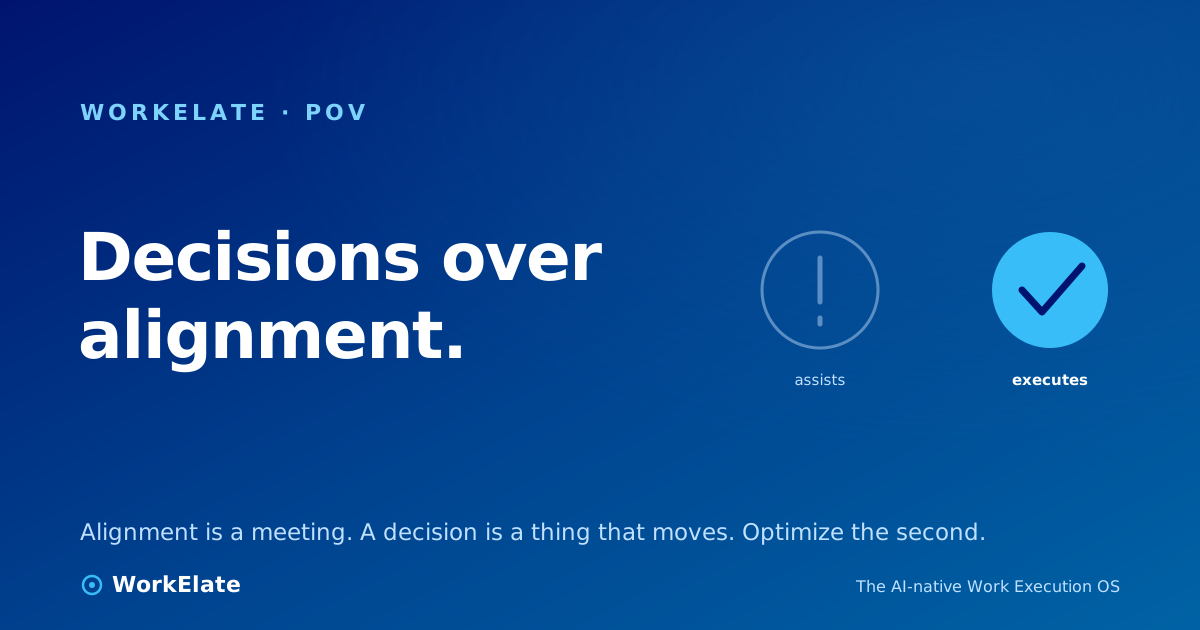
Decisions Over Alignment
Count the meetings on your calendar that exist to "get aligned." Now count the ones where a decision actually got made — written down, owned, and shipped. For most teams the first number dwarfs the se
The Real Work Starts After the Kickoff
Kickoff is the easy day — everyone's aligned, the plan is fresh. The real work is every day after, when the plan meets handoffs and drift. A system has to carry it.
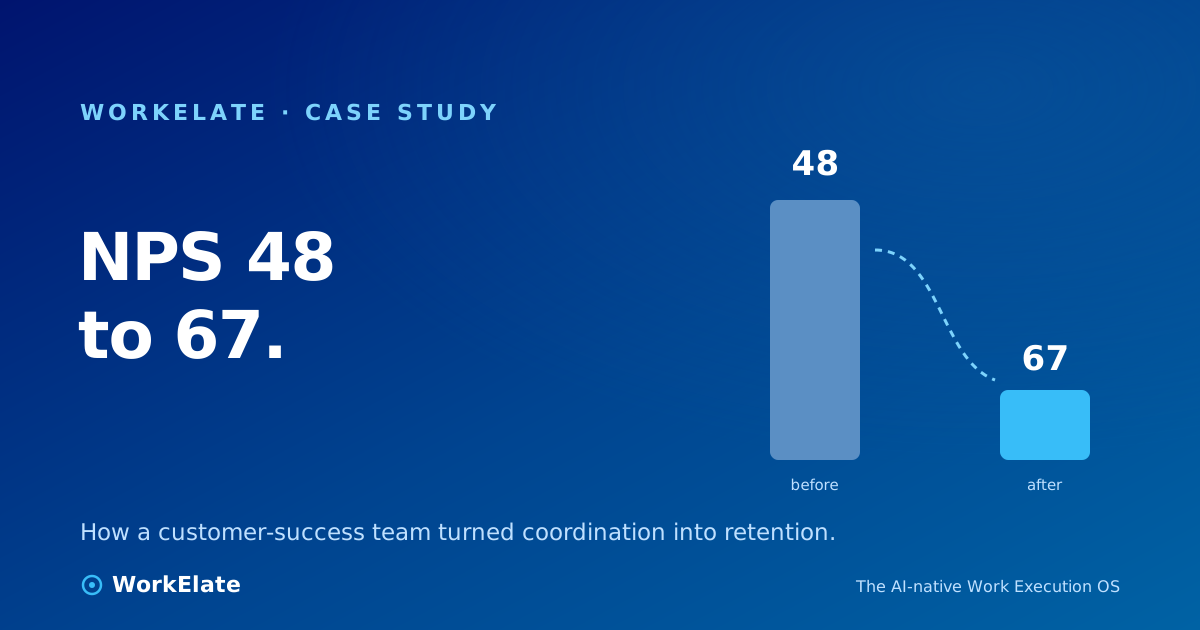
CloudScale: How One CS Team Took NPS From 48 to 67 by Closing the Coordination Gap
A customer-success team moved NPS 48→67 when signals from mail, calendar and tasks started reaching the CSM in time. A grounded WorkElate case study.
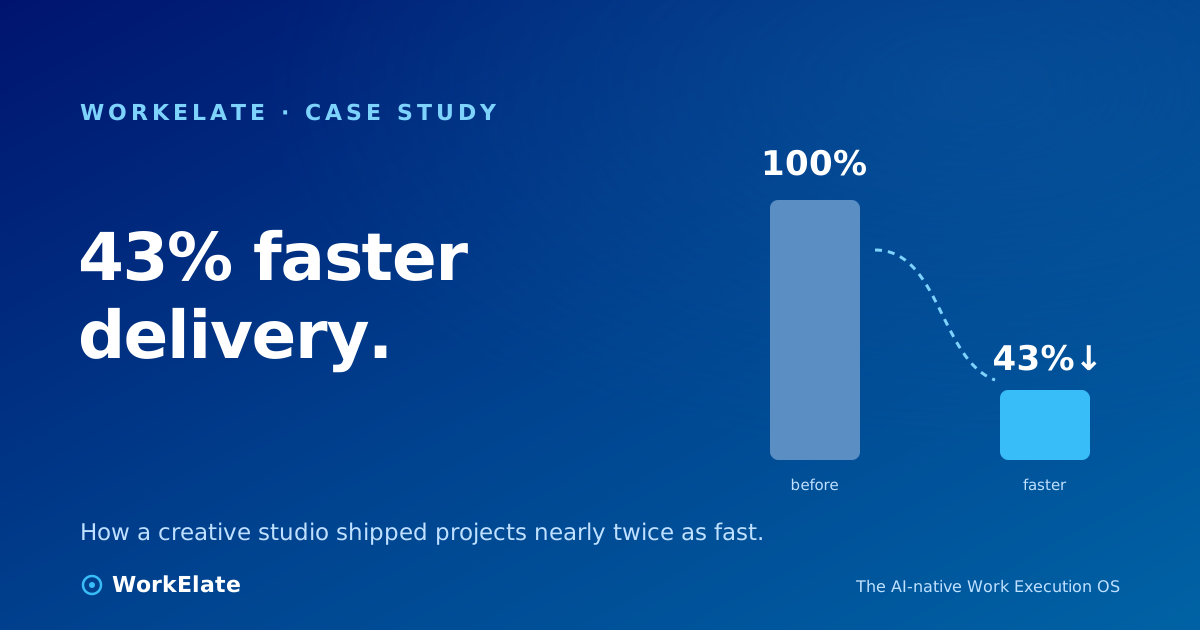
How BrightRiver Creative Cut Project Delivery Time by 43%
A 40-person creative studio removed the coordination drag between brief, design, review, and client handoff — and shipped projects 43% faster. The story, the numbers, the honest caveats.
Common Workplace Chaos: 7 Problems Killing Team Productivity (and the Fix for Each)
Seven workplace chaos problems — silos, status, ownership, meetings, priorities, handoffs, stale data — each with a concrete fix. The pattern underneath all seven is disconnection.
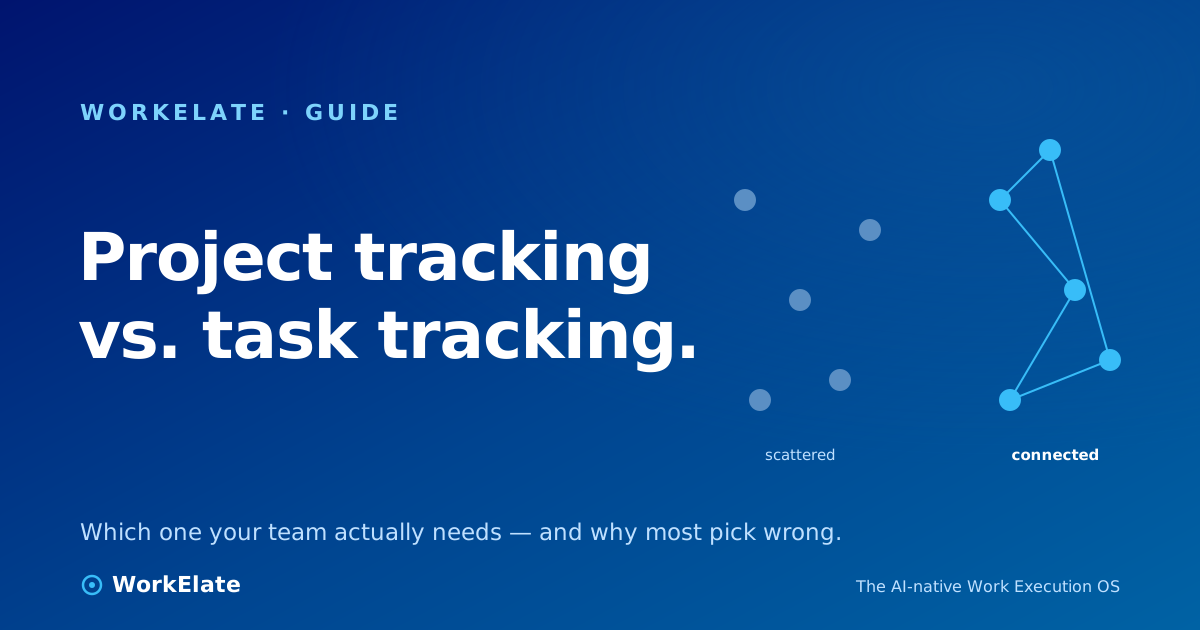
Project Tracking vs. Task Tracking: A Buyer's Comparison Guide
Project tracking vs. task tracking, compared fairly: clear definitions, when to use each, and the deeper truth — both track work, neither executes it. That gap is what a work system fills.
Your Habits Don't Matter If the System Is Broken
You can't out-discipline a broken process. When the system between people has holes, personal productivity habits just patch them — fix the system, not the person.
The Lie of 'Syncing Up' Later
\"Let's sync up later\" is where context goes to die. The work needed the information now — not at a meeting three days out.
Prioritization Is a Coordination Mechanism
Prioritization isn't a personal productivity trick. It's how a team agrees what moves next — and when the system holds that answer, people stop re-litigating it in every channel.
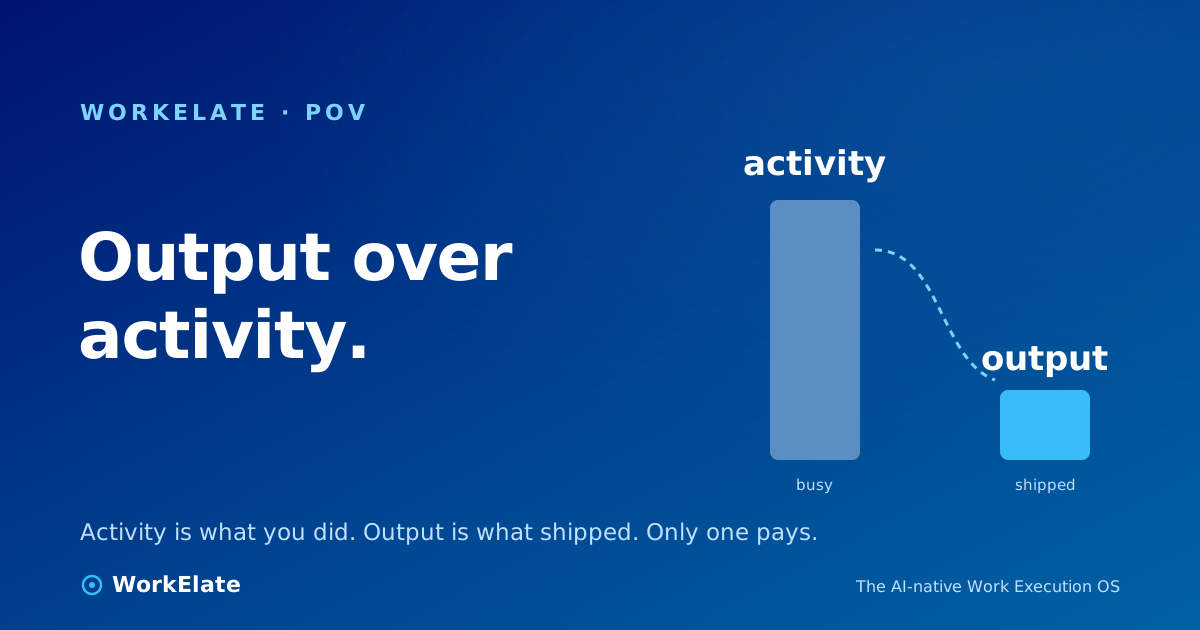
Output Over Activity
Activity is what you did. Output is what shipped. Most work tracking measures the first and pays for the second. Measure and free the thing that actually ships.
The Getting Started Problem
The blank page is the most expensive moment in any project. Work stalls before it starts. AI's real job is to kill the cold-start with a believable first draft.
Why 'Soon' Never Happens
"We'll do that soon."
Thank You, Product Hunt — You Named the Friction We've Been Chasing
A genuine thank-you to the Product Hunt community, and what their feedback taught us: the thing wearing people down isn't the work — it's the coordination around it.
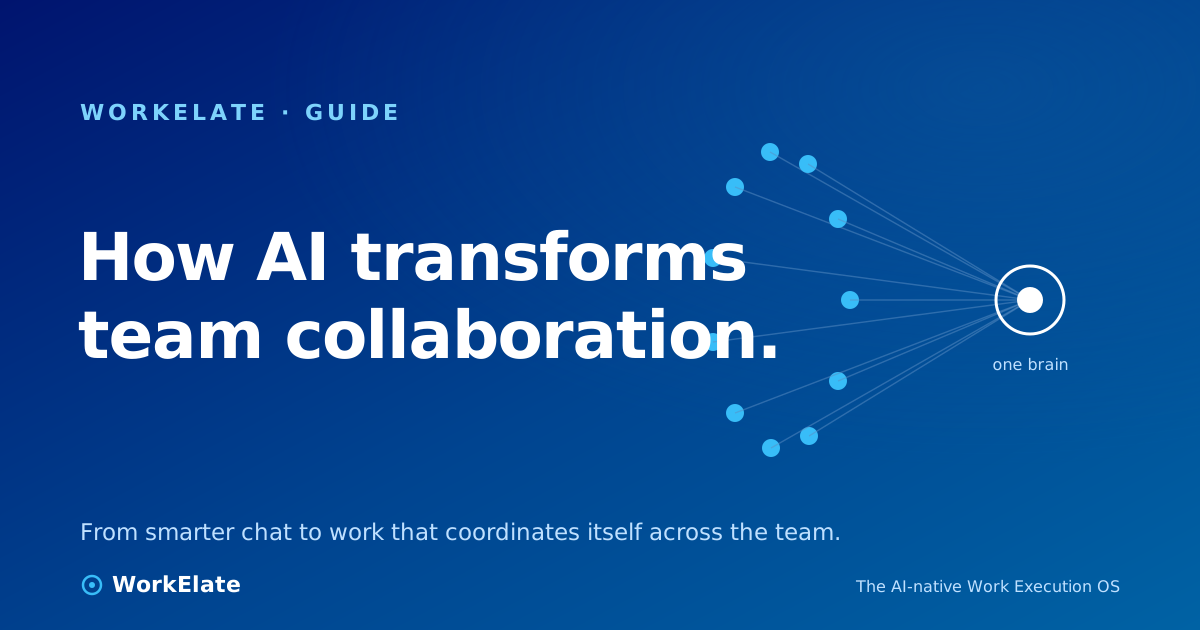
How AI Transforms Team Collaboration and Workflow Efficiency
AI team collaboration isn't a smarter chat. Real AI workflow efficiency comes from work that coordinates itself across your team's apps — not a faster place to type.
Modern Work, Reimagined: When the System Carries the Coordination
Modern work isn't more tools or more meetings. It's a system that carries the coordination — so less of your week goes to managing the work and more of the work actually moves.
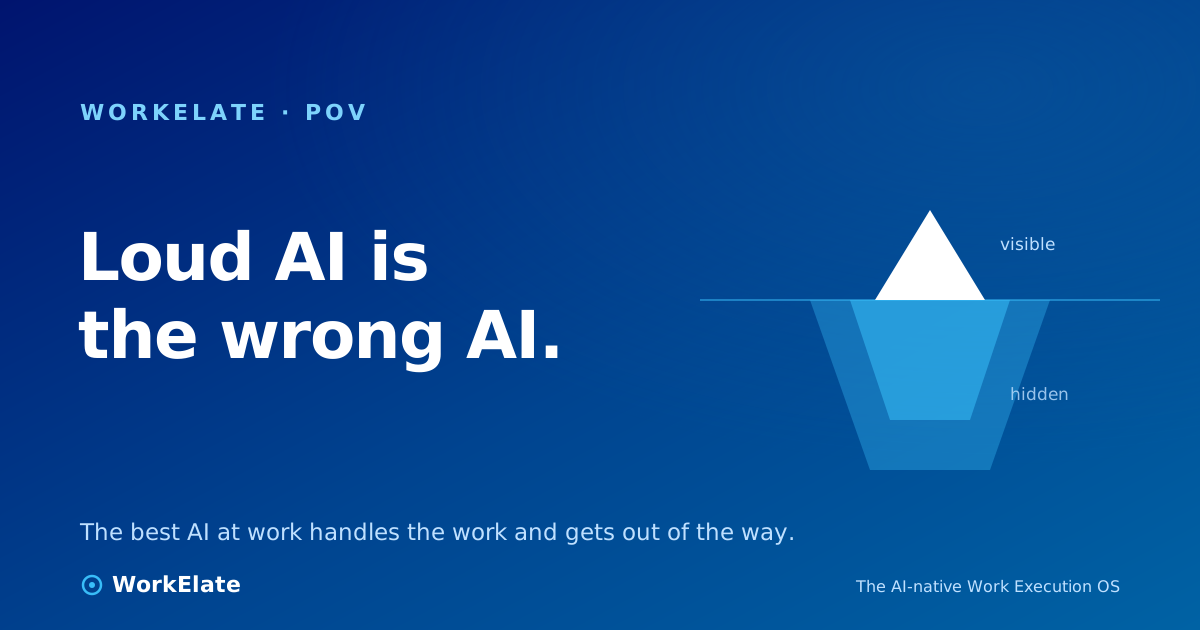
The Best AI at Work Is Invisible
Loud AI performs and demands your attention. Invisible AI executes across your apps and surfaces only what needs you.
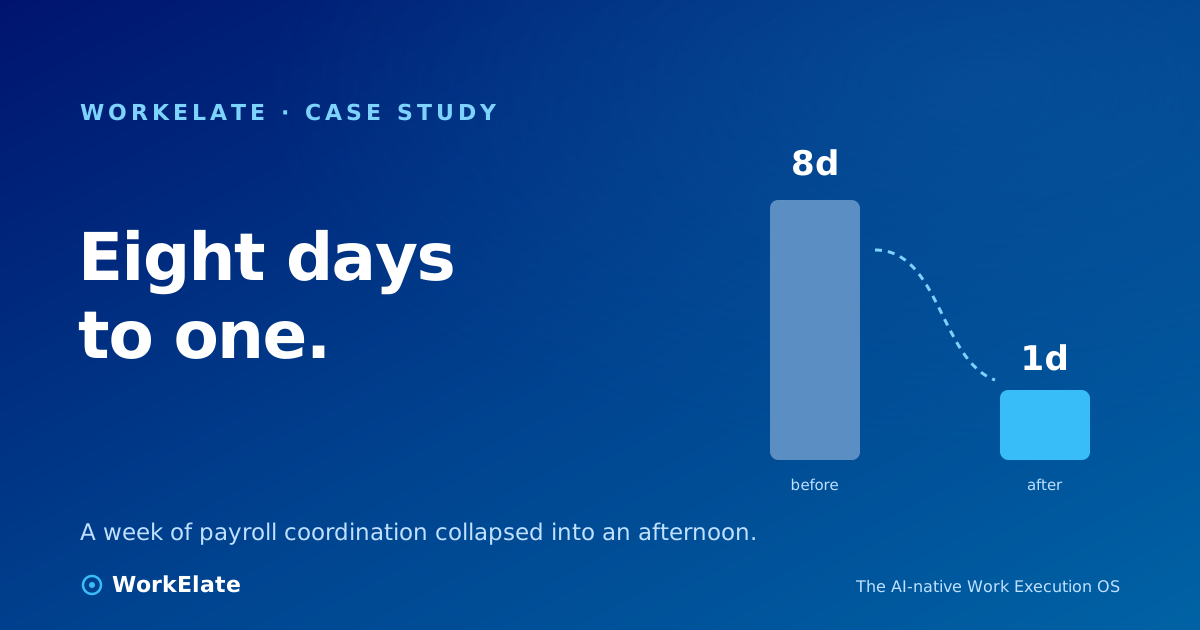
8 days to 1: how Navjyot Engineering took their month-end back
A 150-person manufacturer ran payroll across 7 spreadsheets and 8 days a month. Here's how one connected work-graph cut it to a single day.