POV
Move Fast and Fix Things — But Only If Nothing Falls Between Hands
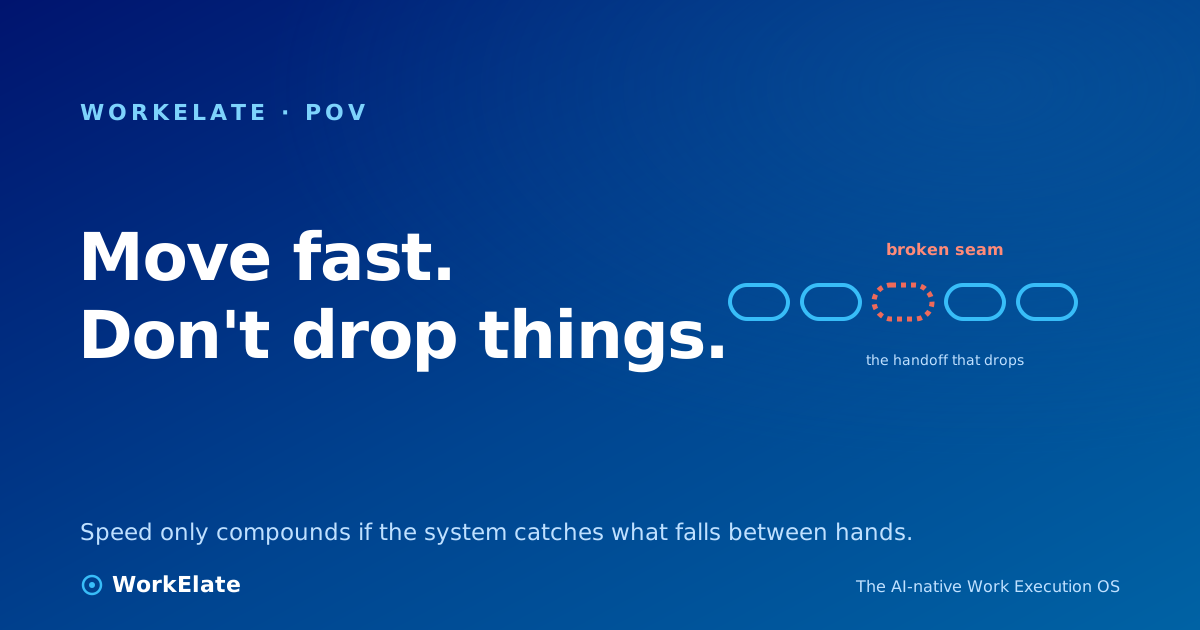
Speed only compounds when nothing slips between people. A work-graph catches dropped handoffs, so moving fast stops meaning moving toward chaos.
Speed only compounds when nothing slips between people. A work-graph catches dropped handoffs, so moving fast stops meaning moving toward chaos.
Facebook moved fast and broke things, then quietly amended it to "move fast with stable infrastructure." The honest version is shorter: move fast and fix things. Speed is only worth having if you can catch what it shakes loose.
And here is the part nobody puts on a poster: speed doesn't create your problems. It reveals them faster. A slow team and a fast team have the same number of dropped balls — the fast team just finds out sooner. That's a feature, not a flaw, as long as something is actually catching the drops.
This is where most teams quietly lose. They hear "move fast" and add people, parallelize work, push more changes per week. Then the thing that breaks isn't the code or the campaign — it's the seam between two people. The designer finishes, but the developer never hears about it. The client replies, but it lands in one inbox and dies there. The task moves to "done" on a board that three other people never check. Nothing was done wrong. The work just fell between hands.
The standard fix is to "fix the infrastructure" — easy rollback, quick patching, automated tests. That's all real, and it's all aimed at one place: your code. But for a team doing client work, the fragile infrastructure isn't your deploy pipeline. It's the coordination between people. That seam has no automated test. It has a human who is supposed to remember to follow up — and who, at speed, forgets.
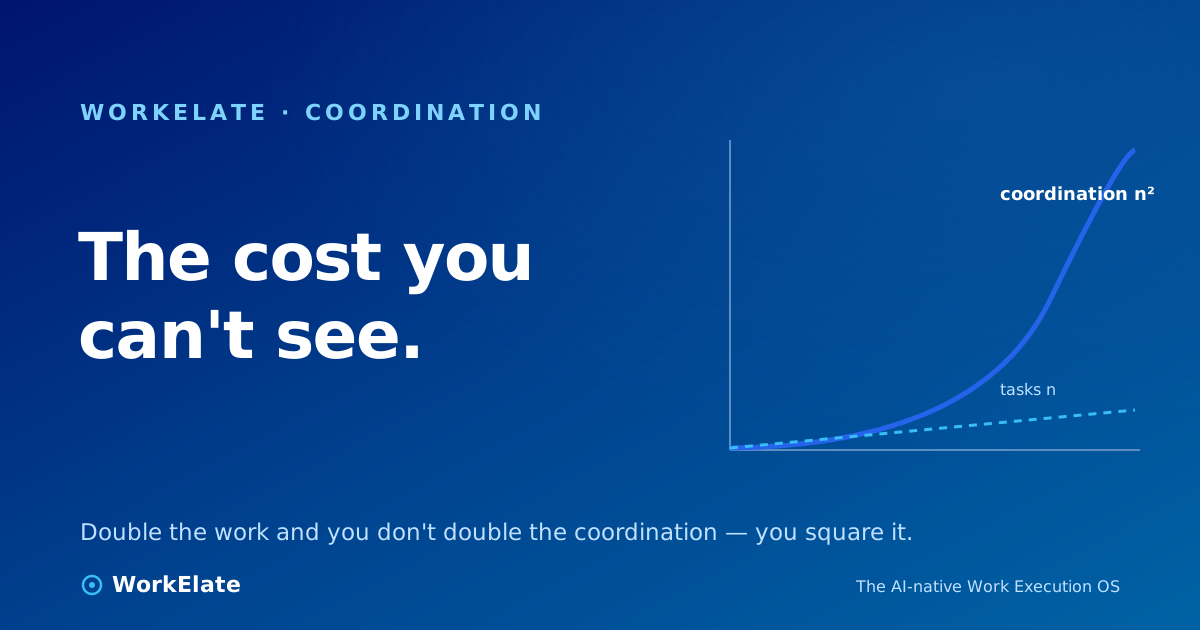
You can feel this in the math. Add one more person to a project and you don't add one more handoff, you add several — coordination scales closer to n² than n. So the faster and bigger you get, the more of your day is spent making sure work didn't slip, and the real cost of a task turns out to be the coordination around it, not the task.
"Speed doesn't create problems. It reveals them faster — so something had better be watching."
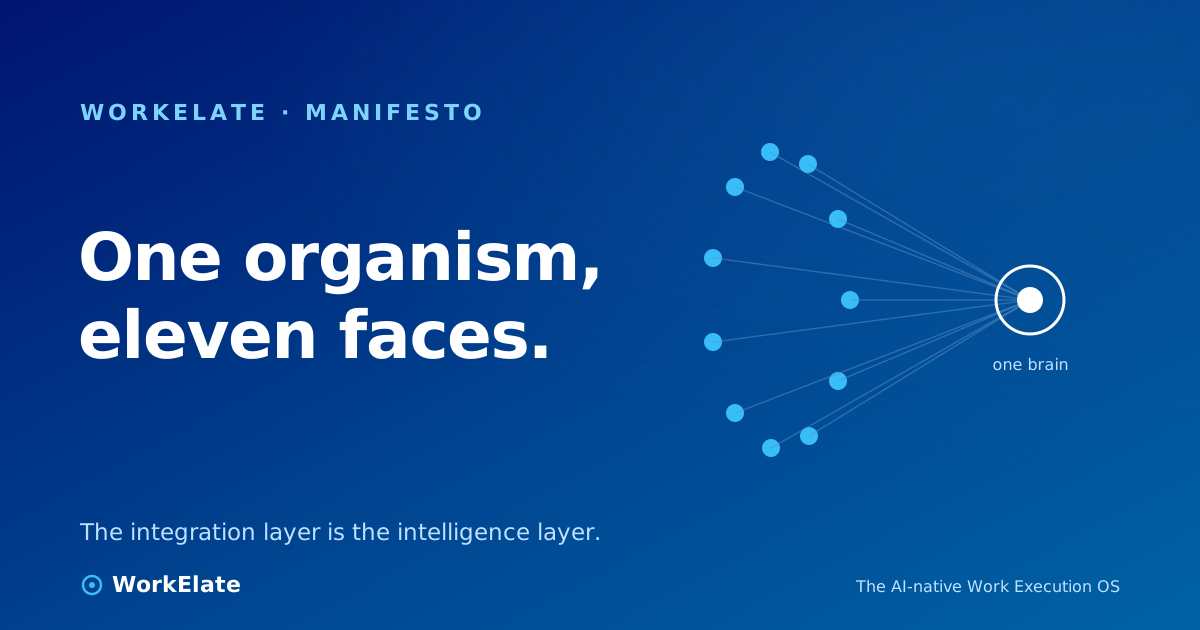
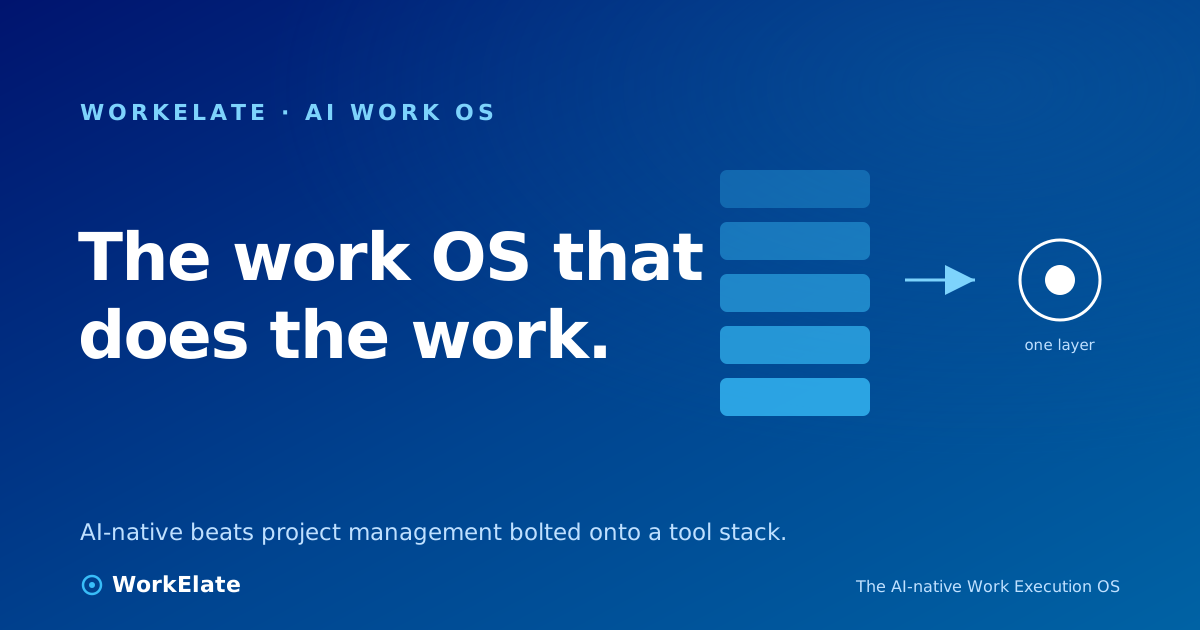
— WorkElateThis is the case for a work-graph. WorkElate keeps a live cross-app work-graph — a connected map of the clients, tasks, messages, and documents across every app, keyed to the account they belong to. When a task closes in task, a reply lands in weMail, or a doc gets finished in docs, that's an event on the graph, not a private fact stuck in one tool. The brain above the apps, WAO, watches those events and notices the seam: the design is done but the next person was never told; the client asked something three days ago and no one replied.
That's the difference between moving fast and moving fast safely. Not more speed — a system that knows when something slipped, so velocity stops drifting into mere activity and the dropped handoff gets surfaced instead of discovered a week late by an annoyed client.
▶ Watch on WorkElate See WAO catch a dropped handoff across apps youtube.com/@WorkElate · videoId: TODO — swap when publishedSo keep the motto. Move fast, and fix things. Just be honest about which infrastructure you're trusting to catch the fall — the one under your code, or the one between your people. If only the people are watching the seams, then "move fast" is a bet that nobody on your team ever forgets anything on a busy Tuesday. How has that bet been working out?